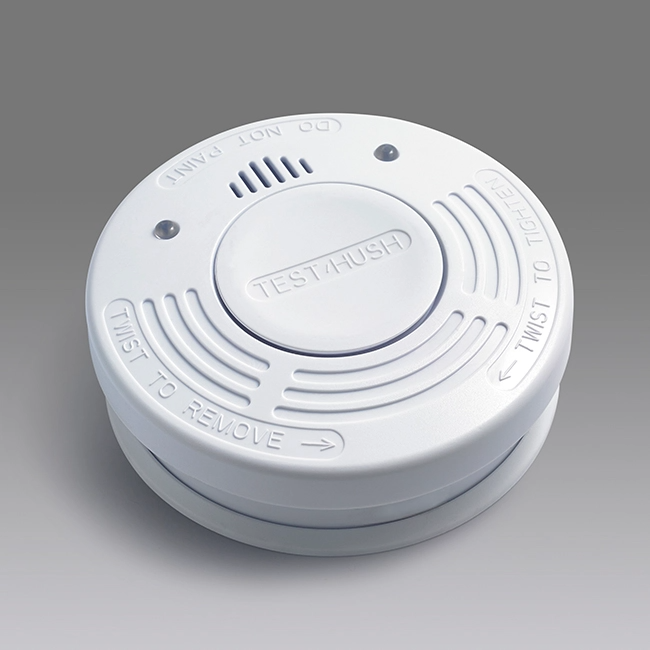
2026-02-06 Fire safety in residential and commercial buildings relies heavily on the strategic placement of detection devices. Whether you are installing a smoke detector or a specialized heat alarm, the location determines the response time and, ultimately, the safety of the occupants. Modern fire safety stan
Read More 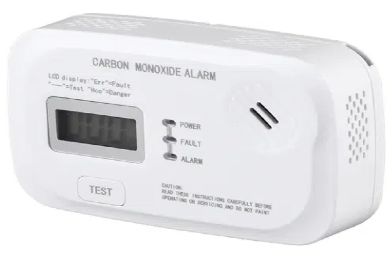
2025-12-30 In hazardous workplaces, a Gas Alarm is often treated like a simple “on/off” safety device. In reality, it is a measurement system—one that can drift, degrade, or fail quietly until the day you need it most. A smart calibration schedule does more than meet a checkbox. It keeps your alarm gas sensor
Read More 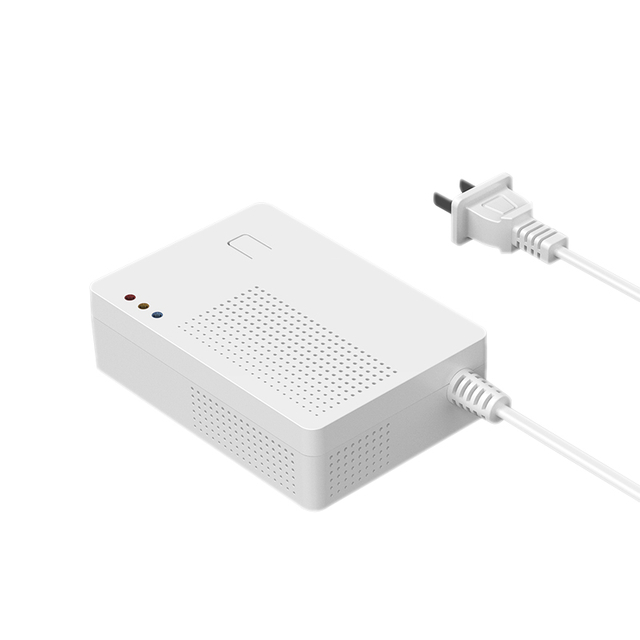
2025-12-28 Setting alarm thresholds on a hydrogen gas alarm is not just a “menu setting” task. It is part of a complete safety program that connects detection, response actions, maintenance, and compliance. In this guide, you’ll learn a practical, safety-first method to configure Gas Alarm thresholds and alarm
Read More 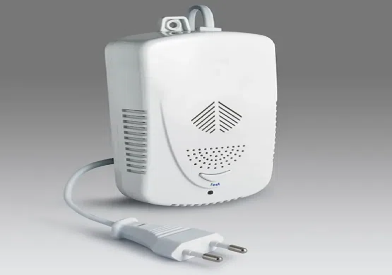
2025-12-24 Few things are more frustrating than a gas detector alarm that screams in the middle of a shower, right after you spray cleaner, or during a dusty DIY project. These “false alerts” can make people ignore alarms over time—exactly the opposite of what a Gas Alarm is meant to do.This guide focuses on t
Read More 
2025-12-20 If you travel, live, or work in a small enclosed space—especially an RV, camper, van, or cabin—a reliable Gas Alarm is not a “nice-to-have.” It is a practical safety layer that can warn you about a leak before it becomes a fire risk or displaces breathable air. But alarms are only helpful when they
Read More 
2025-12-15 A chirping carbon monoxide (CO) alarm at 2 a.m. can feel like an emergency—especially if you have a gas oven. The tricky part is that “chirping” often means something very different from a true CO alarm. This guide helps you tell the difference fast, troubleshoot safely, and decide when you
Read More