Views: 0 Author: Site Editor Publish Time: 2025-12-20 Origin: Site


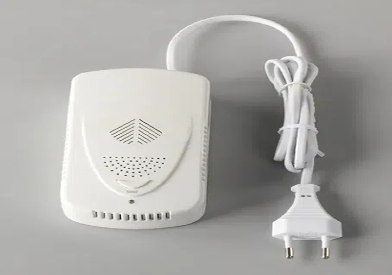
If you travel, live, or work in a small enclosed space—especially an RV, camper, van, or cabin—a reliable Gas Alarm is not a “nice-to-have.” It is a practical safety layer that can warn you about a leak before it becomes a fire risk or displaces breathable air. But alarms are only helpful when they are installed correctly, tested the right way, and replaced on time.
This guide explains how to test a propane gas alarm safely (and what the test really proves), plus the clear signs that tell you when to replace the sensor—which, for most consumer units, means replacing the entire alarm.
A propane gas alarm is designed to detect the presence of LP gas vapors in the air. Propane behaves differently from carbon monoxide (CO): propane is heavier than air and tends to settle low, while CO mixes more evenly. That’s why propane detectors are typically mounted near the floor, while CO alarms are often installed at breathing height or per manufacturer guidance.
Important: not every “combo” device does everything. Some units detect propane only, others detect CO only, and some combine multiple sensors. Always confirm your exact model and its capabilities before assuming you’re protected against both hazards.
Testing a Gas Alarm should never introduce risk. If your alarm is sounding and you suspect a real leak, treat it as real first:
Ventilate immediately (open doors, windows, roof vents).
Shut off the propane supply if it’s safe to do so.
Eliminate ignition sources (no smoking, flames, sparking tools).
Evacuate if you can’t control the situation quickly.
Only after the space is ventilated and safe should you troubleshoot or test. And never “test” by using an open flame or trying to force gas into the sensor with improvised methods.
Many people press the test button, hear a beep, and assume the sensor is working. That’s only partly true.
Test/Silence button test: Usually confirms the alarm has power, the indicator lights function, and the buzzer can sound. It may not verify the sensor’s real-world response to propane.
Functional gas-response test: Attempts to confirm the sensor reacts when exposed to a gas source. This is only recommended when the manufacturer explicitly allows it and describes a safe procedure.
For SEO clarity: a “successful test” should mean the alarm is powered, the warning system works, and the unit is still within its service life. For most users, that means relying on the built-in test plus on-time replacement.
This is the simplest, safest routine for most users:
Confirm the unit is not showing a fault indicator (check the manual for your model’s light patterns).
Press and hold the Test button for the time stated in the manual.
Verify you hear the alarm sound and see the expected status lights.
Log the date (a note in your phone is enough). This also helps you track replacement timing.
If the unit fails this test—no sound, no light, or an error pattern—move to the troubleshooting section below and plan for replacement if you can’t restore normal operation quickly.
A propane gas alarm can appear “faulty” if it is installed in the wrong location or its sensor intake is blocked. Before you assume it’s broken, verify:
Mounting height: Propane is heavier than air—many installations are low on a wall near the floor.
Clear airflow: Don’t cover the alarm with furniture, bags, or storage bins.
Clean sensor openings: Dust, pet hair, and lint can reduce airflow. Use gentle vacuuming around the vents (don’t spray cleaners into the unit).
Some guides and experienced RV owners describe functional testing methods (for example, using non-flame gas sources) to confirm an alarm triggers. However, procedures vary by device type, and using the wrong approach can damage sensors or create an unsafe situation.
For a Google-friendly, safety-first article, the recommendation is:
Follow your alarm manufacturer’s instructions exactly.
Do not use open flames or uncontrolled gas sources.
If your manual does not provide a safe functional gas-response test, rely on the built-in test and replace the unit when it reaches end-of-life.
False alarms are common enough that they’re a major search topic. In many cases, the alarm is not “lying”—it’s reacting to something the sensor interprets as a risk or to an electrical condition that mimics a fault.
Common causes of nuisance alarms include:
End-of-life sensor drift: Aging sensors can become overly sensitive or unstable, triggering more often.
Household chemicals and vapors: Cleaning sprays, alcohol-based products, paint fumes, and aerosols can set off some gas sensors.
Cooking byproducts: Strong cooking odors, grease vapors, or nearby solvents may cause alarms in tight spaces.
Low voltage or power fluctuations: Many RV detectors run on 12V DC. Weak batteries, failing converters, or loose connections can trigger alarms or faults.
Battery charging gases: In certain conditions, gases near battery compartments (especially in poorly ventilated areas) can confuse some sensors.
If you repeatedly get alarms with no detectable leak, treat it as a serious maintenance signal: verify your propane system, check electrical power stability, and strongly consider replacement if the alarm is approaching its service-life limit.
Many consumer and RV-grade detectors are not designed for a user-replaceable sensing element. In practice, “replace the sensor” usually means replace the entire Gas Alarm. This is not marketing—it’s because the sensing element ages and calibration is not typically field-serviceable.
Replace your unit if any of the following apply:
It is past its stated service life: Many devices include a “replace by” date or specify a typical lifespan (often around 5 years, sometimes longer depending on model).
It fails the built-in test: No alarm sound, no status light, or persistent fault indications.
It nuisance-alarms frequently: After you’ve ruled out real propane leaks, chemical vapors, and unstable power.
It shows persistent error codes: Such as sensor failure, internal fault, or end-of-life signals described in the manual.
In short: if you have to “babysit” your propane gas alarm to keep it quiet, it is no longer doing its job as a safety device.
Replacing a propane gas alarm is often a straightforward maintenance task, especially in RVs where the unit is surface-mounted or flush-mounted with accessible wiring. Always follow the manufacturer instructions, but the general approach looks like this:
Turn off power safely: Disconnect shore power, switch off the converter if applicable, and disconnect the RV battery (or the circuit feeding the alarm).
Shut off propane supply: This is a good time to ensure the system is off while you work.
Remove the old unit: Unscrew the faceplate or mounting screws and gently pull it forward.
Inspect wiring and fuse: Many failures are tied to poor connections or a blown fuse. If the wiring is corroded, repair it before installing the new alarm.
Install the replacement: Connect the wiring as directed (matching polarity and connectors). Mount the unit in the same low position unless the manual specifies otherwise.
Power on and test: Restore power, allow the alarm’s warm-up period, then run the built-in test.
Compatibility tip: When selecting a replacement, match the power type (often 12V DC in RVs), mounting style, and connector/wiring arrangement. If you’re upgrading from a propane-only device to a combo unit, confirm that you’re not creating installation conflicts (location, mounting height, and ventilation).
A simple routine reduces surprises and helps you avoid last-minute failures during travel:
Test monthly using the built-in test button.
Keep it clean: Vacuum around the alarm vents; avoid spraying cleaners near it.
Protect airflow: Don’t block the alarm with storage items or furniture.
Monitor power quality: In RVs, keep batteries healthy and address low-voltage issues quickly.
Track replacement date: Write the install date on the back of the unit or inside a cabinet door.
Most users should test monthly using the built-in test button. It’s a fast check that confirms power, alert function, and basic electronics integrity.
Not always. The test button commonly checks the alarm circuit and buzzer. True gas-response testing depends on manufacturer guidance. If your unit is near end-of-life, replacement is the safest “accuracy” strategy.
Service life varies by model, but many propane and combo alarms are designed for a multi-year lifespan and often require replacement around the 5-year mark (or per the date printed on the unit). Always follow the date or specification on your device.
Some sensors respond to strong chemical vapors, aerosols, or fumes that resemble gas signatures. Ventilate, remove the vapor source, and retest. If nuisance alarms continue—especially on an older unit—replacement is strongly recommended.
Propane is heavier than air, so detectors are typically mounted low on a wall near the floor in the living area (not tucked behind storage). Follow the manufacturer’s placement guide to avoid “dead air” pockets and blocked airflow.
First check the basics: the fuse, wiring connections, and the 12V supply (for RV units). If power is stable and the alarm still won’t operate or fails the test, replacement is the safest next step.
Bottom line: A Gas Alarm is a time-sensitive safety device. Test it routinely, don’t rely on improvised methods, and replace it on schedule—especially if you travel or sleep in a confined space where a leak can become dangerous quickly.