



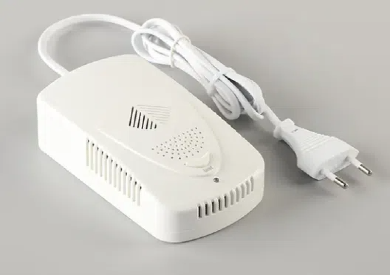
A chirping carbon monoxide (CO) alarm at 2 a.m. can feel like an emergency—especially if you have a gas oven. The tricky part is that “chirping” often means something very different from a true CO alarm. This guide helps you tell the difference fast, troubleshoot safely, and decide when you need immediate help. Along the way, you’ll also learn how a well-chosen Gas Alarm can reduce nuisance chirps and improve peace of mind in fuel-burning homes.
Start here: chirp vs. CO emergency alarm (a 30-second reality check)
Before you do anything else, focus on the sound pattern. Many devices use different patterns to communicate different issues. Your goal is to identify whether you’re hearing a maintenance chirp or an actual CO alarm. Always verify with your specific model’s manual if available, because patterns can vary.
If it sounds like an emergency alarm
If you hear a repeating alarm pattern (often described as multiple beeps followed by a pause, repeating), treat it as a potential CO event until proven otherwise. Take this seriously—carbon monoxide is odorless and can cause symptoms such as headache, dizziness, nausea, confusion, and fatigue.
Move everyone to fresh air immediately (outside or an open-air corridor).
Call emergency services or your local fire department from a safe location.
Do not keep troubleshooting inside the home if you suspect CO exposure.
If anyone feels unwell, seek medical attention promptly.
If it’s a single chirp (often once every minute)
A single chirp at regular intervals is commonly a status alert—often low battery or end-of-life warning. This is the most common “it only happens at night” scenario, because quieter nighttime environments make short chirps far more noticeable.
Why it chirps at night: the most common reasons (from likely to less likely)
1) Low battery (the #1 cause of nighttime chirping)
Low battery warnings are designed to be hard to ignore. If your gas oven carbon monoxide alarm chirps at night, low battery is a prime suspect—even if the alarm seems to work during the day.
Typical sound: one brief chirp about every 30–60 seconds (varies by model).
Why it’s worse at night: cooler temperatures can slightly reduce battery output; plus your home is quieter.
Best fix: replace batteries with fresh, high-quality ones; then test the alarm.
After replacing batteries, press the test button per your device instructions. If chirping continues, move to end-of-life checks below.
2) End-of-life warning (common with older units)
CO alarms don’t last forever. Many are designed for a finite service life, and when the sensor ages, the unit will chirp to tell you it’s time to replace the entire device. Battery replacement won’t always stop an end-of-life chirp.
Clues: the alarm is several years old, chirping persists after a fresh battery, or the unit shows a replace indicator.
Practical tip: write the installation date on the back of the alarm when you install a new one.
Best fix: replace the alarm with a newer Gas Alarm / CO-rated model that meets your local safety requirements.
3) Malfunction, sensor fault, or internal error
Some chirps indicate a device fault rather than battery or end-of-life. Causes can include sensor issues, internal electronics problems, or a unit that has been exposed to extreme humidity, dust, or contamination.
Check for an error code or flashing indicator if your unit has a display.
Try a manufacturer-recommended reset procedure (often removing power/battery briefly, then re-powering).
If the error returns, replace the unit—don’t ignore repeated fault chirps.
4) Placement issues and nuisance triggers (especially near kitchens)
Kitchens can be tough environments for alarms: humidity, aerosolized oils, and airflow changes can contribute to nuisance alerts or sensor instability. If your unit is installed too close to the cooking area, you may see more false alarms or inconsistent behavior.
This doesn’t mean your alarm is “wrong.” It means your setup may need adjustment—especially if the unit is right beside the oven hood, above the stove, or in a high-grease airflow path.
How the gas oven fits in: when to suspect a real CO problem
A gas oven can contribute to CO risk if combustion is incomplete or ventilation is inadequate. However, a gas oven carbon monoxide alarm chirping does not automatically mean CO is present. The sound pattern and context matter.
Higher-risk signals that deserve immediate action
Alarm pattern suggests active CO detection (not a single maintenance chirp).
Symptoms in household members (headache, dizziness, nausea, confusion, unusual fatigue).
Recent changes: oven used for long periods, poor ventilation, blocked vents, or multiple fuel appliances running at once.
Recurrent alarms that occur during or shortly after cooking, not only random chirps.
Important note about using the oven for heating
Using an oven to heat a home can increase exposure risks and is not a safe substitute for proper heating equipment. If your alarm behavior aligns with active CO alerts, stop using the appliance and seek professional help.
Quick troubleshooting checklist (safe, practical, and SEO-friendly)
Use this checklist to stop the chirping the right way—without ignoring real danger.
Step 1: Identify the pattern and indicator lights
Is it one chirp every minute (maintenance)?
Is it a repeating multi-beep alarm (potential CO event)?
Is there a display message, error code, or “replace” indicator?
Step 2: If it may be an emergency, leave first—then call
If you suspect a true CO alarm or anyone feels unwell, prioritize safety and evacuate. Troubleshooting comes later.
Step 3: Replace batteries (if your model uses them)
Use fresh batteries from a reliable source.
Ensure correct polarity and fully close the battery door.
Press the test button as directed by your alarm’s instructions.
Step 4: Check the unit age and service-life guidance
If the unit is older or you don’t know its age, replacement is often the simplest and safest fix. A modern Gas Alarm can deliver clearer alerts, reduce nuisance chirps, and offer useful diagnostics.
Step 5: Clean and reset (only if your manual allows it)
Gently vacuum exterior vents using a soft brush attachment.
Avoid sprays, solvents, or water inside the unit.
Perform a manufacturer-approved reset procedure if recommended.
Step 6: If chirping continues, replace the alarm or contact support
Persistent chirping after battery replacement and basic checks often points to end-of-life or fault conditions. In that case, replacement is typically the right move.
Common beep patterns and what they usually mean
The table below is a general guide. Always confirm using your alarm’s manual because manufacturers differ.
| What you hear | What it often indicates | What to do |
|---|---|---|
| One chirp every ~30–60 seconds | Low battery or status alert | Replace batteries (or check sealed-battery model); test the unit |
| Chirping persists after battery change | End-of-life warning or fault | Check age/replace indicator; replace alarm if needed |
| Repeating multi-beep alarm pattern | Possible CO detection | Evacuate to fresh air; call emergency services; do not troubleshoot indoors |
| Odd pattern + error code/light signal | Device malfunction | Follow manual reset guidance; replace if it continues |
How to prevent late-night chirps (placement, maintenance, and habits)
Place alarms thoughtfully—especially around kitchens
If your gas oven carbon monoxide alarm is installed too close to the stove or directly in greasy airflow, nuisance issues become more likely. A better approach is to follow the manufacturer’s placement guidance and install alarms where they can detect CO reliably without living in the harshest cooking conditions.
Avoid placing the unit directly above or beside the oven/stove unless the instructions explicitly allow it.
Keep alarms away from high-humidity zones (like immediately outside steamy bathrooms) unless rated for that placement.
Use multiple alarms in key areas (sleeping zones, hallways), rather than relying on a single kitchen-adjacent unit.
Maintain your alarms on a simple schedule
Monthly: press the test button and confirm the unit responds correctly.
Every few months: gently clean exterior vents to reduce dust buildup.
Annually: review battery and device age; plan replacements proactively.
Reduce nuisance triggers without reducing safety
If you experience frequent non-emergency alerts during cooking, improve ventilation (use the range hood, open a window when appropriate, and avoid prolonged high-heat cooking without airflow). The goal is not to “silence” safety devices, but to keep the environment consistent so your Gas Alarm can do its job accurately.
Choosing a Gas Alarm that’s easier to live with (and safer long-term)
If replacement is the right call, choose a Gas Alarm that fits your home’s layout and the way you use fuel appliances. For many households, a slightly better model pays off by reducing nuisance chirps and clarifying what’s happening.
Features worth prioritizing
Clear alerting: voice alerts or a display can help you interpret events quickly.
Diagnostic information: error codes, “replace” indicators, and memory/peak level features (model-dependent).
Battery strategy: sealed long-life battery vs. replaceable batteries (choose what matches your maintenance habits).
Interconnect options: useful for larger homes so alarms in sleeping areas alert promptly.
Placement strategy for homes with gas cooking
Consider a layered approach: one alarm near sleeping areas and another in the general living zone—not necessarily right next to the oven. This setup improves early detection while reducing the chance that kitchen conditions cause unnecessary trouble signals.
What different organizations and communities say (no links)
Different sources emphasize different priorities—some focus on immediate safety actions, others on maintenance and replacement. Here are the viewpoints presented one by one:
ADT: Alarm sounds commonly fall into categories like danger alerts, low battery, end-of-life replacement, or malfunction—start by identifying which you’re hearing.
Kidde: Beep patterns matter; distinguish a true alarm from routine chirping that often signals battery, end-of-life, or a fault condition.
Encore Fire Protection: Treat suspected CO alarm patterns as urgent, but recognize that intermittent chirps often relate to maintenance issues—pattern recognition is the first step.
Texas Department of Insurance: A single chirp often points to a battery or replacement need; modern alarms may guide users through voice prompts and indicators.
HomeImprovement subreddit community: Persistent chirping is frequently resolved by battery replacement or replacing an aging unit; many users advise not delaying replacement if the alarm is older.
Interstate Batteries: Beeping can mean more than a weak battery; expired sensors and environmental factors (like humidity or dust) can contribute, and some chirps indicate replacement rather than a simple battery swap.
First Alert Support: False alarms can be reduced with correct placement and following model-specific guidance; many units also provide end-of-life chirp warnings that require replacing the alarm.
HowToADU Facebook group: Users often discuss non-CO factors behind unexpected alerts, including environmental triggers and placement challenges near kitchens and ventilation paths.
Service1st: Encourages users to treat true alarm patterns as emergencies, while noting that regular chirps commonly indicate low battery or end-of-life conditions depending on the unit.
FAQ
Why does my gas oven carbon monoxide alarm chirp only at night?
Nighttime chirps are often easier to notice in a quiet home, and battery performance can dip slightly in cooler temperatures. If it’s a single chirp at intervals, it’s commonly a battery or end-of-life signal rather than active CO detection. If it’s a repeating alarm pattern, treat it as urgent.
Can I silence the chirping permanently?
You can often silence a low-battery chirp temporarily using the device’s hush feature, but the correct fix is usually battery replacement or replacing an end-of-life unit. Silencing without fixing is risky because you may miss a real warning later.
How long do carbon monoxide alarms last?
Many alarms are designed for a limited sensor life. The exact lifespan varies by manufacturer and model, so check the label or manual. If you don’t know the age and the unit won’t stop chirping after fresh batteries, replacement is a sensible safety-first choice.
What should I do if I suspect a real CO leak from the gas oven?
If you hear an emergency alarm pattern or anyone has symptoms consistent with CO exposure, leave the home for fresh air immediately and contact emergency services. Do not keep troubleshooting indoors. Once safe, arrange for a qualified technician to inspect your gas appliances and ventilation.
Where should a Gas Alarm be installed if I have gas cooking?
Follow the manufacturer’s placement instructions. In many homes, alarms are best located near sleeping areas and in central living zones rather than directly beside the stove, which can be a harsh environment. A well-planned layout improves detection while reducing nuisance triggers.
Key takeaway
A chirp at night is usually a maintenance signal, not a CO emergency—but you should always verify the sound pattern before assuming it’s harmless. Replace batteries promptly, replace aging units when indicated, and don’t hesitate to evacuate if the alarm pattern suggests active CO detection. With the right placement and a reliable Gas Alarm, you can protect your household without living in fear of every midnight chirp.


