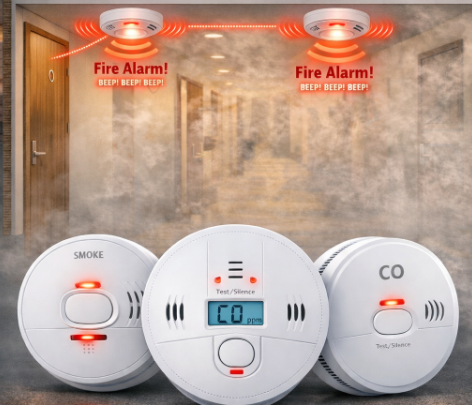
2026-03-05 Residential fire safety remains one of the most critical concerns for homeowners and property managers worldwide. Statistics from fire protection associations consistently show that a functional smoke alarm detector significantly increases the survival rate during a home fire by providing the early
Read More 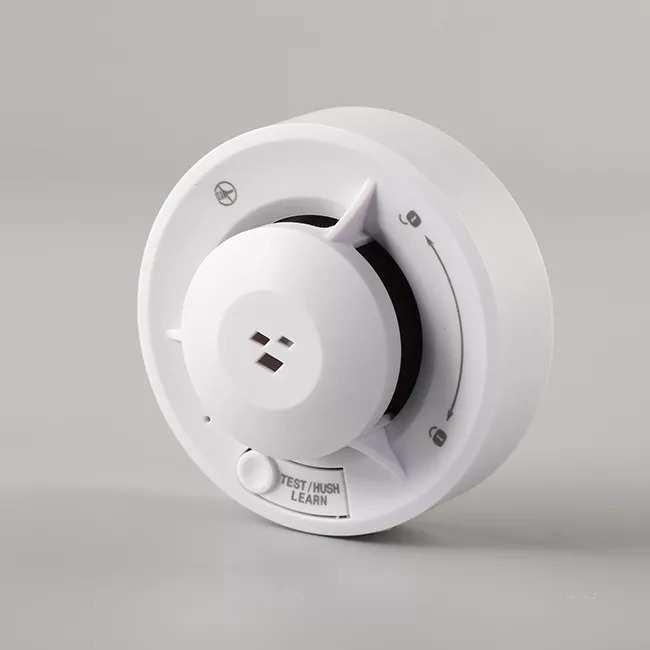
2026-03-04 The Best Smart Smoke AlarmIn the modern era of home safety, the evolution of fire prevention technology has moved far beyond the simple, shrieking plastic disc on the ceiling. Today, the integration of smart technology into life-safety devices has transformed how we protect our families and properti
Read More 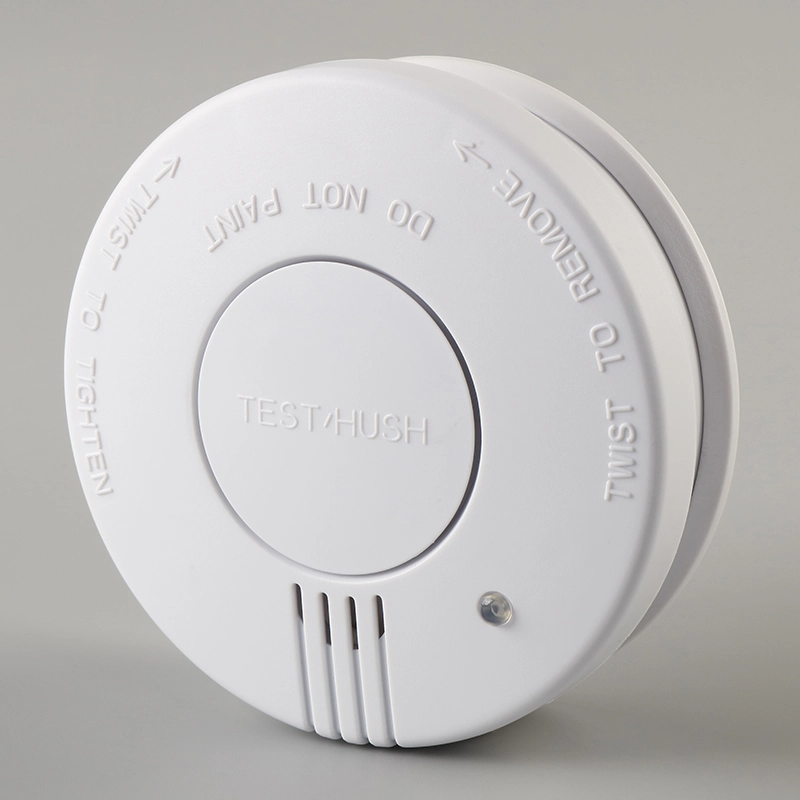
2026-03-02 In the realm of fire safety and property management, the reliability of life safety systems is non-negotiable. Whether you are managing a commercial facility, an industrial complex, or a residential portfolio, the functionality of your fire detection network serves as the primary line of defense aga
Read More 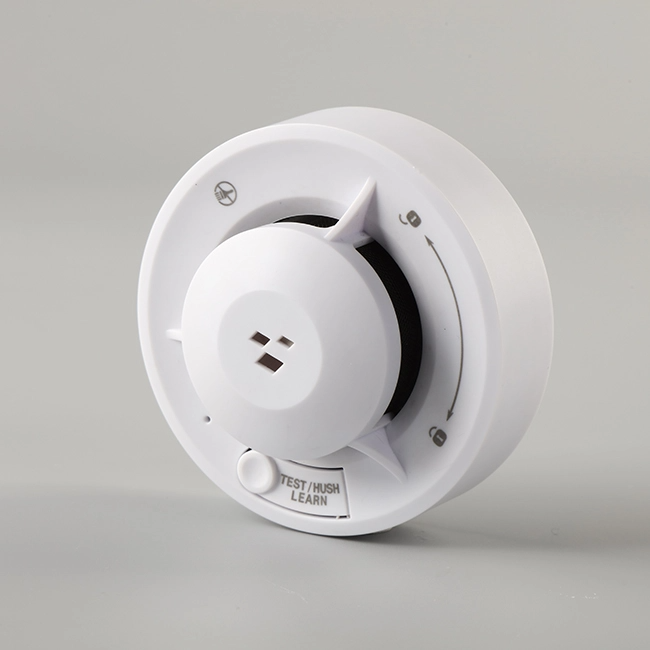
2026-02-28 Maintaining a functional fire safety system is a critical responsibility for facility managers, property owners, and safety officers. When a smoke detector begins to chirp or malfunction, it is not merely an annoyance; it is a potential lapse in life-safety protocols. Understanding the intricacies o
Read More 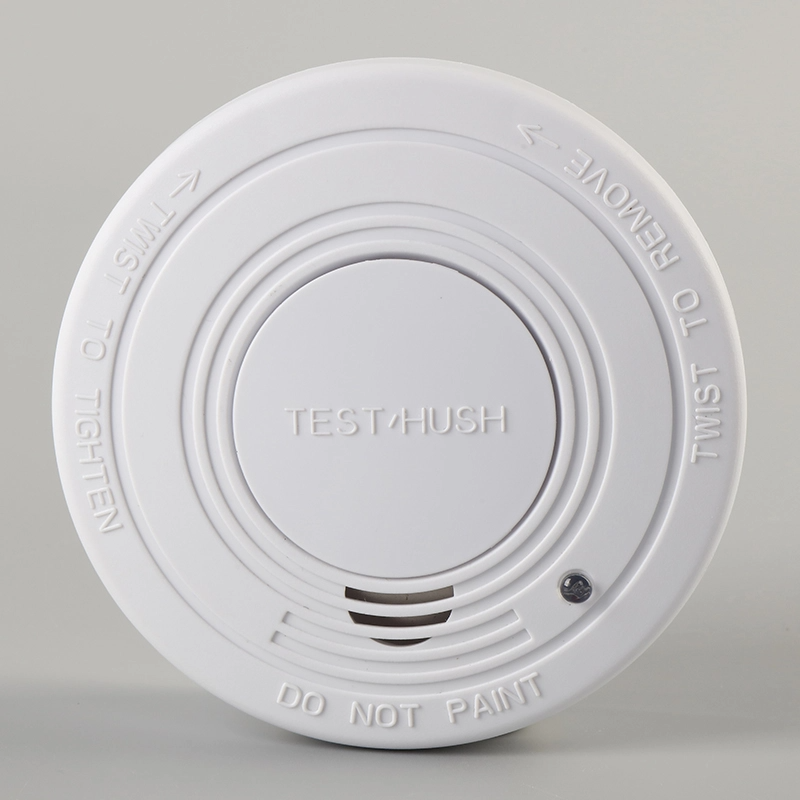
2026-02-26 The safety of your residential or commercial property hinges significantly on the early detection of fire hazards. Selecting the right smoke detector is not merely a home improvement task; it is a critical life-saving decision that requires understanding the nuances of sensor technology, power sourc
Read More 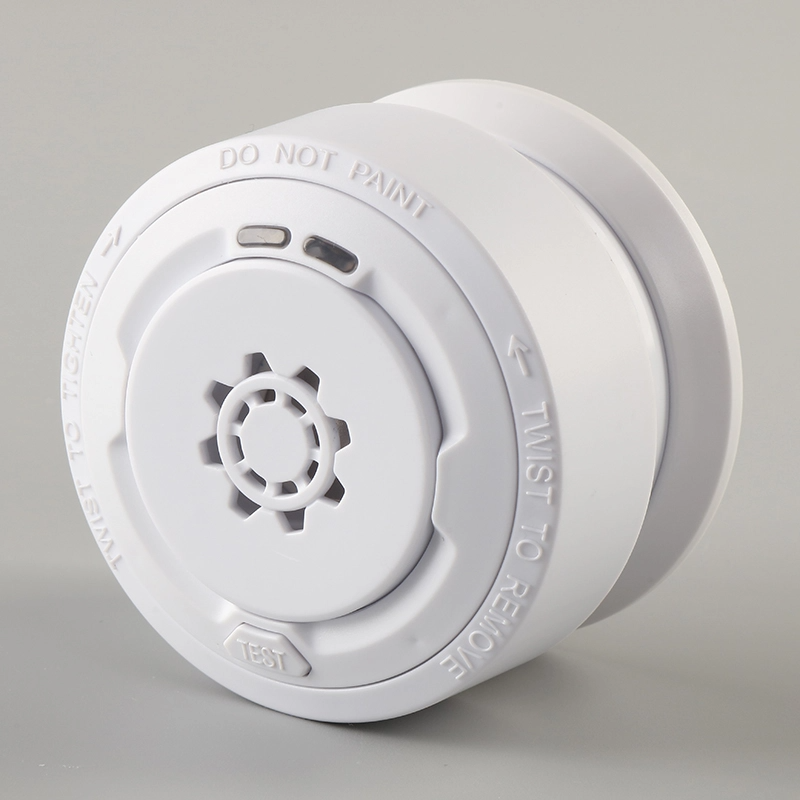
2026-02-24 Ensuring the safety of a residential or commercial property begins with the functional integrity of fire safety equipment. Fire incidents can escalate within seconds, making the early warning provided by a high-quality smoke detector the most critical factor in saving lives and minimizing property d
Read More