Views: 0 Author: Site Editor Publish Time: 2025-12-24 Origin: Site


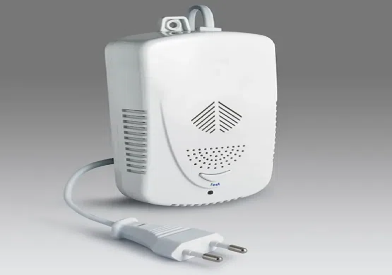
Few things are more frustrating than a gas detector alarm that screams in the middle of a shower, right after you spray cleaner, or during a dusty DIY project. These “false alerts” can make people ignore alarms over time—exactly the opposite of what a Gas Alarm is meant to do.
This guide focuses on the most common non-leak triggers—steam, sprays, and dust—and shows you how to reduce nuisance alarms without compromising safety. You’ll learn what your alarm is actually sensing, how placement and airflow amplify problems, and a step-by-step troubleshooting workflow you can use immediately.
Safety note: Treat every alarm as real until you have clear evidence it’s a nuisance event. If anyone feels dizzy, nauseous, unusually tired, has headaches, or you smell gas, leave the area, get fresh air, and contact emergency services or your gas provider.
A Gas Alarm is designed to react quickly when its sensor detects a gas concentration above certain thresholds. That sensitivity is what protects you—but it also means environmental conditions can sometimes mimic what the sensor expects during a real event.
In many homes and facilities, nuisance alerts happen because of one (or more) of these factors:
Moisture interference: high humidity or condensation can disrupt sensing surfaces.
Aerosol particles and vapors: sprays and solvents can trigger cross-sensitivity or temporarily overwhelm the sensor.
Dust and contamination: buildup can block vents, trap residue, or change airflow through the sensing chamber.
Bad placement: mounting too close to bathrooms, kitchens, vents, or “dirty air” zones increases triggers.
Aging or end-of-life: sensors drift over time and may become more unstable.
The goal isn’t to “desensitize” the alarm. The goal is to reduce preventable triggers so you can trust your device when it alarms.
Before you troubleshoot, confirm what your device is built to detect. Many homes use one of the following:
Carbon monoxide (CO) alarms: react to CO, a toxic gas you can’t smell.
Combustible gas alarms: often target methane (natural gas) and/or propane (LPG).
Combination units: may include smoke + CO, or CO + explosive gas sensing.
Why does this matter? Because the triggers differ. Shower steam might not affect one sensor type as much as another, while aerosols can be a problem for many sensor technologies. If you don’t know your model, check the label or manual for the gas type and sensor category.
Steam can cause nuisance alerts in two main ways: humidity spikes and condensation. When warm, wet air hits a cooler device surface, tiny droplets can form. That moisture can interfere with sensor readings or briefly change how air moves through the unit.
Common steam-related hotspots include:
Bathrooms near showers or tubs
Laundry rooms with dryers venting moist air
Kitchens with frequent boiling, steaming, or slow cooking
Areas near humidifiers or poorly vented bathrooms
Good rule: If you can see visible condensation on mirrors or walls, that same moisture is stressing your gas detector alarm.
Many nuisance alarms happen during cleaning, painting, detailing, or even routine grooming. Aerosols can introduce particles and vapors that are “gas-like” to the sensor, especially when sprayed close to the alarm or in a small, poorly ventilated room.
Common culprits include:
Disinfectant sprays and degreasers
Air fresheners and scented sprays
Hair spray, dry shampoo, perfume
Paint, primer, stain, varnish, adhesives
Alcohol-based cleaners and solvents
Even if the alarm isn’t permanently damaged, repeated exposure can leave residue on vents and sensing surfaces, making future alarms more likely.
Dust doesn’t usually trigger an alarm instantly. It tends to cause “mystery alerts” weeks or months later—especially in homes with renovation work, heavy traffic, pets, or nearby construction.
Dust can:
Block the intake vents and change how air flows through the device
Trap aerosols and moisture, extending exposure time
Leave residue that alters sensor behavior
If you notice frequent alerts during windy days, construction season, or after sanding/cutting work indoors, dust is a prime suspect.
Placement isn’t just about following a diagram—it’s about understanding airflow and “what air” the device is sampling. A perfectly good Gas Alarm can become a nuisance device if installed in the wrong spot.
Here are placement patterns that commonly cause false alerts:
Too close to bathrooms: steam and humidity spikes, especially when doors are left open.
Right outside kitchens: cooking fumes, rapid temperature shifts, and strong airflow changes.
Near HVAC supply vents or return grilles: forced air can push steam/sprays straight into the sensor.
Near windows or exterior doors: dust bursts, drafts, and pressure changes.
In garages or workshops: solvents, fuel vapors, exhaust, and dusty conditions create chronic triggers.
Quick placement checklist:
Choose a location with stable airflow (not directly in a draft).
Keep away from direct sources of steam, aerosols, and grease.
Follow manufacturer distance guidance for kitchens, bathrooms, and vents.
Install multiple units if needed—don’t force one device to “cover everything” from a bad spot.
When a gas detector alarm activates, the right response is calm, systematic, and safety-first. Use this workflow to determine whether it’s a nuisance trigger or something you must escalate.
Move people (and pets) to fresh air if you’re unsure.
Open windows/doors if it’s safe to do so.
If you smell gas, suspect combustion issues, or anyone has symptoms, contact emergency services or your gas provider.
Many devices use different sounds for different problems. A continuous alarm often indicates detection above a threshold. A repeating chirp can indicate:
Low battery
Device fault
End-of-life warning
If your unit is chirping, start with batteries and device age. A device near the end of its service life may become unstable and more prone to nuisance events.
Ask: What changed in the last 30 minutes?
Hot shower or boiling water? Close the bathroom door, run the exhaust fan, ventilate, and wait for humidity to drop.
Cleaning sprays, perfume, hair spray, paint, or solvents? Stop using them, ventilate the area, and prevent further exposure.
Sanding, drilling, or sweeping? Pause work, ventilate, and reduce airborne dust.
If the alarm stops and does not recur once the environment stabilizes, you likely encountered a nuisance trigger. If it keeps recurring despite stable conditions, move to Step 4 and Step 5.
Cleaning is one of the most effective ways to prevent dust-related triggers. But it must be done gently.
Recommended approach (general best practice):
Turn off power or remove the device if the manual allows safe removal.
Use a vacuum with a soft brush attachment around vents and openings.
Use clean, dry compressed air in short bursts if recommended by the manufacturer.
Wipe the exterior only with a dry or slightly damp cloth (avoid letting moisture enter vents).
Avoid: spraying cleaners, water, or solvents directly on the device. These can contaminate the sensor and increase future false alerts.
If nuisance alerts happen weekly—or the alarm triggers even when humidity, aerosols, and dust are controlled—one of the following is likely:
Bad location: airflow patterns still push triggers into the device.
Sensor contamination: past spray/solvent exposure left residue inside.
Aging sensor: drift or end-of-life instability.
Real intermittent source: occasional combustion issues, appliance backdrafting, or a minor leak that appears under certain conditions.
In these cases, the most effective actions are:
Relocate the unit to a better spot (within the manufacturer’s allowed guidelines).
Replace the device if it’s near end-of-life or has had repeated aerosol exposure.
Have fuel-burning appliances and ventilation inspected if you suspect intermittent CO or combustion problems.
The best nuisance alarm is the one that never happens. Use these habits to make your Gas Alarm reliable and quiet.
Run bathroom exhaust fans during and after showers.
Keep the bathroom door closed while steam is heavy.
Improve ventilation (or add a stronger fan) if steam regularly escapes into hallways.
Relocate alarms that sit directly in the “steam path.”
Spray away from alarms—never directly beneath or beside them.
Ventilate while cleaning; consider switching to less aerosol-heavy methods (wipes or liquid-applied cloth cleaning).
During painting/varnishing/strong solvent work, follow your manufacturer’s guidance—some environments justify temporary relocation with immediate reinstallation afterward.
Keep aerosols in a different room, and avoid “testing” an alarm with chemicals.
Vacuum alarm vents monthly (or more often in dusty seasons).
Use door barriers and negative pressure control during renovation projects.
Keep alarms away from workshops, sawdust areas, and heavy-traffic surfaces where dust re-suspends.
In rental properties, hotels, and industrial sites, repeated false alerts aren’t just annoying—they disrupt operations and can reduce trust in safety systems. The most common reasons nuisance alarms scale in managed environments are:
Inconsistent cleaning and maintenance schedules
Sensor cross-sensitivity in chemical-rich areas
Poorly standardized placement across units/rooms
Devices left in service beyond their recommended lifespan
Operational best practices include documenting recurring triggers, standardizing installation locations, using scheduled cleaning and inspections, and planning sensor replacements proactively rather than reactively.
High humidity and condensation can interfere with the sensor or airflow, especially if the alarm is placed near a bathroom or in the direct path of steam escaping into a hallway. Improve ventilation and consider relocating the device to a more stable area.
Yes. Aerosols, alcohol-based cleaners, and solvents can create vapors or particles that mimic detectable conditions or contaminate the sensor. Avoid spraying near the device and ventilate well during cleaning.
In general, use gentle vacuuming with a soft brush around vents and avoid moisture or chemicals entering the unit. Never spray cleaners directly onto the device unless the manufacturer explicitly says it’s safe.
Not necessarily. Chirps often indicate low battery, device fault, or end-of-life warnings rather than active gas detection. Replace the battery, check the manual for the specific beep pattern, and replace the unit if it’s beyond its service life.
Avoid bathrooms with frequent steam, areas with heavy aerosols or solvents, dusty workshops/garages, and locations with strong drafts from vents, windows, or fans that can push contaminants directly into the sensor.
If you have any doubt, treat it as real—leave the area, get fresh air, and seek professional help. Nuisance alarms typically correlate with a clear trigger (steam, sprays, dust) and stop once the environment returns to normal. Repeated alerts without a trigger should be escalated.
A trustworthy Gas Alarm depends on three things: correct placement, clean air around the sensor, and consistent maintenance. If your gas detector alarm keeps triggering during showers, cleaning, or dusty work, don’t ignore it—fix the conditions causing nuisance alerts. The result is a calmer home and a safety system you’ll take seriously when it counts.