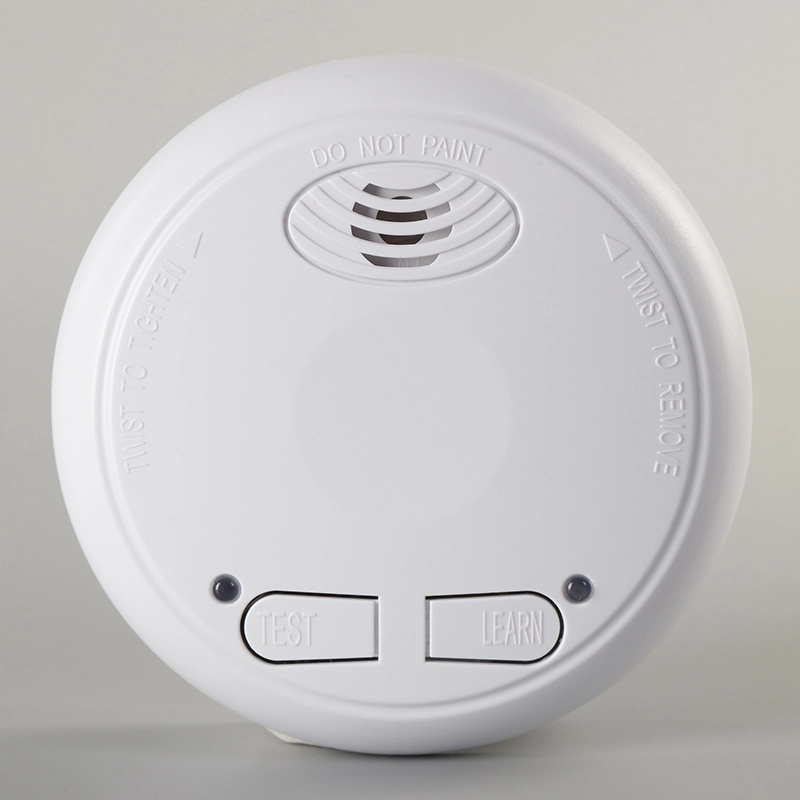
2026-02-20 In the realm of building safety and residential security, understanding the specific functions of life-saving devices is paramount. While they may look similar on a ceiling, a smoke detector and a carbon monoxide detector serve two entirely different, non-interchangeable purposes. Fire safety relies
Read More 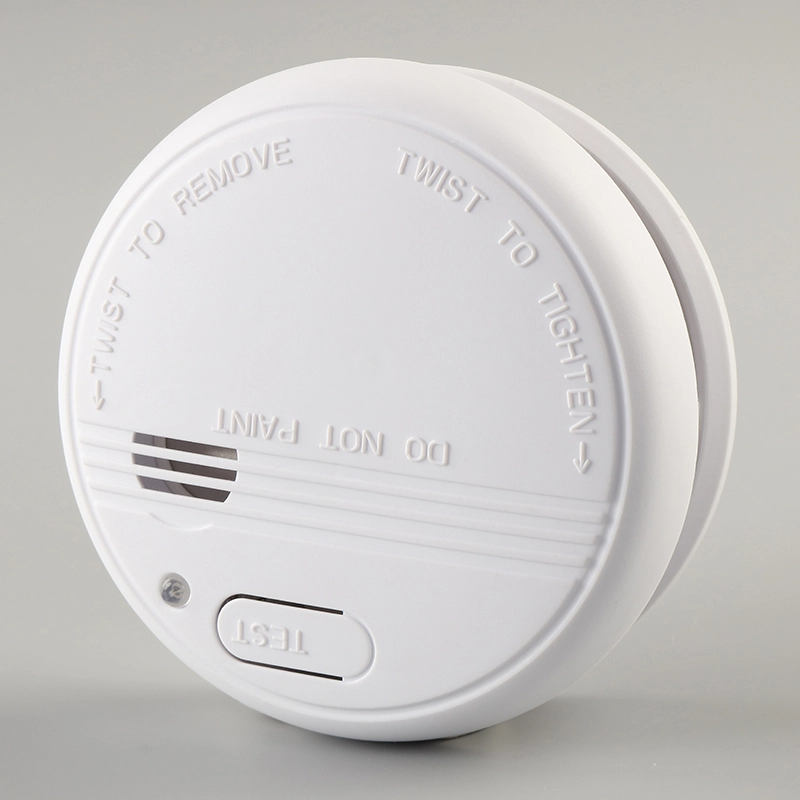
2026-02-18 Understanding the Difference: Smoke Detector vs. Carbon Monoxide DetectorIn the realm of home and industrial safety, the terminology surrounding life-saving sensors can often become blurred. Many property owners and facility managers mistakenly believe that a single device can detect all airborne th
Read More 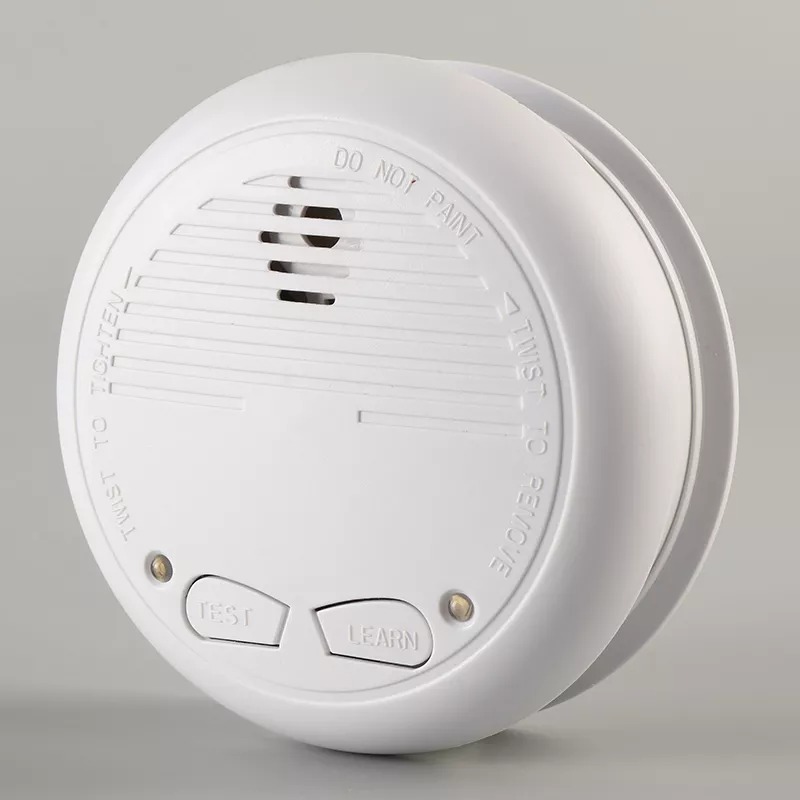
2026-02-16 Fire safety technology has advanced significantly over the last decade, leading many homeowners and facility managers to upgrade their existing life-safety systems. While installing a new smoke detector or heat alarm is a straightforward process, the decommissioning and disposal of old units present
Read More 
2026-02-16 Carbon monoxide (CO) is an insidious threat, characterized by its lack of color, odor, or taste, which allows it to accumulate to lethal concentrations without being detected by human biology. For B2B stakeholders, property managers, and safety officers, the deployment of a high-performance Carbon M
Read More 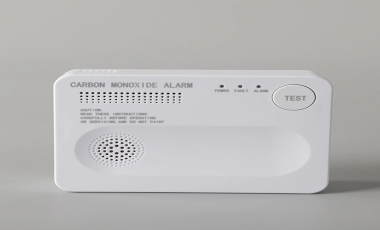
2026-02-14 To determine if your Carbon Monoxide Alarm has reached its end of life, you should check for a recurring two-beep chirp every minute, look for an "End" or "ERR" message on the digital display, and verify the manufacture date printed on the back of the unit, as most sensors expire between 7 and 10 ye
Read More 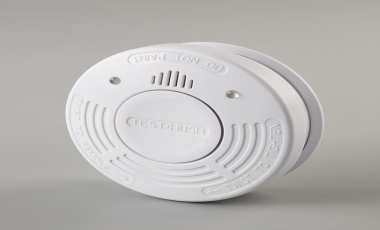
2026-02-12 A Carbon Monoxide Alarm that goes off every 30 seconds is one of the most common and most misunderstood alert patterns in homes, commercial buildings, and light industrial facilities. People often call it “beeping,” “chirping,” or “my Carbon Monoxide Alarm beeping,” but the reason behind that 30 sec
Read More