Views: 0 Author: Site Editor Publish Time: 2026-02-20 Origin: Site


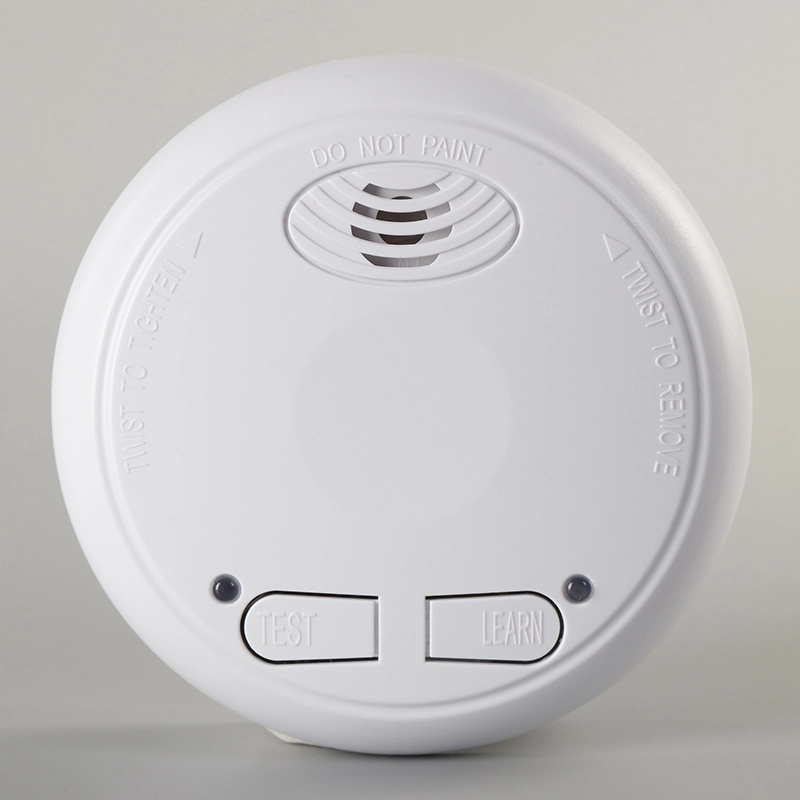
In the realm of building safety and residential security, understanding the specific functions of life-saving devices is paramount. While they may look similar on a ceiling, a smoke detector and a carbon monoxide detector serve two entirely different, non-interchangeable purposes. Fire safety relies on the rapid detection of combustion particles, whereas carbon monoxide safety focuses on a colorless, odorless gas that can be lethal long before a fire ever starts.
The primary difference is that a smoke detector identifies the physical presence of smoke or fire particles in the air, whereas a carbon monoxide detector monitors for the presence of CO gas, a byproduct of incomplete combustion. You cannot use a smoke detector to detect CO gas, nor can a CO detector warn you of a developing fire; both are required for comprehensive early warning notification systems.
This comprehensive guide explores the technical nuances of these devices, the various types of sensing technologies available, and why integrating both into your safety infrastructure is non-negotiable. We will delve into industrial applications, historical development, and the latest advancements in detection technology to ensure your facility or home remains compliant and secure.
The Importance of Smoke Detectors
Understanding Smoke Detectors: Photoelectric vs. Ionization
Direct Comparisons: Smoke Detector vs. Carbon Monoxide Detector
Personal Experience: Choosing the Right Detector
Recommendations for Home Safety
Enhancing Industrial Safety with Smoke Detection
Development and Commercialization of Smoke Detection
Advancements and Standardization in Smoke Detection
Smoke detectors serve as the most critical early warning notification systems in any building, providing the vital seconds needed for evacuation during a fire emergency.
The presence of a functional smoke detector reduces the risk of dying in a home fire by more than half. In modern construction, synthetic materials burn faster and hotter than natural materials used in the past, meaning the "escape window" has shrunk significantly. A Smoke Alarm Detector provides a localized audible alert that wakes sleeping occupants and alerts those in distant rooms, acting as a constant sentry that never sleeps.
Beyond residential use, the smoke detector is the backbone of industrial fire suppression systems. In large warehouses or manufacturing plants, early detection prevents catastrophic property loss and business interruption. By identifying smoke at the incipient stage, these devices can trigger sprinklers, alert fire departments, and shut down HVAC systems to prevent smoke spread.
Modern safety standards also emphasize the inclusion of a Heat Alarm in areas where traditional smoke detection might cause false alarms, such as kitchens or dusty workshops. These devices complement the smoke detector by triggering when a specific temperature threshold is reached, ensuring a multi-layered approach to fire detection that covers all possible fire signatures.
Understanding the difference between photoelectric and ionization technologies is crucial because they detect different types of fire: photoelectric is best for smoldering fires, while ionization is faster at detecting fast-flaming fires.
An ionization smoke detector contains a small amount of radioactive material between two electrically charged plates, which ionizes the air and causes current to flow. When smoke enters the chamber, it disrupts the flow of ions, reducing the current and triggering the alarm. These are generally more responsive to "fast-flaming" fires, which consume combustible materials rapidly and produce little smoke initially.
A photoelectric smoke detector uses a light source and a light sensor. When smoke particles enter the sensing chamber, they scatter the light beam, reflecting it onto the sensor and triggering the alarm. This technology is significantly more effective at detecting "smoldering" fires—fires that may burn for hours before bursting into flame, often caused by cigarettes or electrical shorts in upholstery.
| Feature | Ionization Detector | Photoelectric Detector |
| Best For | Fast-flaming fires (paper, wood) | Smoldering fires (furniture, foam) |
| Mechanism | Disrupts ion flow | Scatters light beam |
| False Alarms | More common from cooking/steam | Less common from cooking |
| Response Time | Faster for high-heat flames | Faster for thick, visible smoke |
For maximum protection, many experts recommend dual-sensor alarms that incorporate both technologies or installing a mix of both types throughout a facility.
While both are essential safety tools, a smoke detector senses particulates from fire, while a carbon monoxide detector senses a chemical gas (CO) that is invisible and odorless.
The smoke detector is designed to look for "stuff" in the air—physical particles of soot and ash. In contrast, carbon monoxide (CO) is a gas produced by appliances that burn fuel, such as furnaces, water heaters, and stoves. CO is often called the "silent killer" because humans cannot see, smell, or taste it. A CO detector uses electrochemical or biomimetic sensors to measure CO levels over time, sounding an alarm before levels become toxic.
The placement of these devices also differs. A smoke detector must be placed on the ceiling or high on a wall because smoke and heat rise. While CO is roughly the same weight as air and distributes evenly, CO detectors are often placed at "breathing height" or plugged into wall outlets. However, the most important factor is ensuring they are audible from all sleeping areas.
Installing a Heat Alarm in conjunction with these devices adds a third layer of protection. While the smoke detector handles air particulates and the CO detector handles poisonous gas, the Heat Alarm monitors for thermal energy, providing a failsafe for high-heat, low-smoke scenarios.
Selecting the right smoke detector involves assessing the specific risks of each room in your property to ensure timely alerts without constant false triggers.
In my experience managing safety for multi-unit properties, I have found that the "one size fits all" approach often leads to residents disabling their alarms. For instance, placing an ionization smoke detector too close to a kitchen often leads to false alarms from burnt toast. In those scenarios, switching to a photoelectric Smoke Alarm Detector or a dedicated Heat Alarm significantly improved safety compliance because the alarms remained active.
When choosing a smoke detector for a bedroom, I always prioritize interconnected models. If a fire starts in the basement due to a faulty water heater, you want the alarm right outside your bedroom door to go off immediately, not wait until smoke reaches the second floor. This "networked" safety approach is the gold standard in modern protection.
Additionally, don't overlook the power source. Hardwired units with battery backups are the most reliable. However, for older buildings where wiring is difficult, the new 10-year sealed battery units are a game changer. They eliminate the "chirping" low-battery sound that leads many people to remove batteries and forget to replace them, ensuring the smoke detector stays functional for its entire lifespan.
Homeowners should install a smoke detector in every bedroom, outside every sleeping area, and on every level of the home, including the basement.
To maximize the effectiveness of your Smoke Alarm Detector network, follow the "interconnection" rule. When one alarm sounds, they should all sound. This is especially important in larger homes where a fire in a garage or basement might not be heard by someone sleeping on the third floor. Furthermore, a Heat Alarm should be installed in the garage and kitchen—areas where smoke, dust, or steam might cause a traditional smoke detector to fail or false-alarm.
Maintenance is just as important as installation. You should test your smoke detector at least once a month using the test button. If your units use replaceable batteries, change them every six months—a good rule of thumb is to do this when the clocks change for Daylight Saving Time. Clean your detectors periodically by vacuuming the exterior to remove dust and cobwebs that could interfere with the sensors.
| Room Type | Recommended Device | Reason |
| Bedroom | Photoelectric Smoke Detector | Detects smoldering fires in bedding/upholstery |
| Kitchen | Heat Alarm | Avoids false alarms from cooking smoke |
| Garage | Heat Alarm | Resistant to exhaust fumes and dust |
| Hallway | Dual-Sensor Smoke Detector | General coverage for all fire types |
| Near Furnace | Carbon Monoxide Detector | Detects leaks from fuel-burning appliances |
In industrial settings, smoke detection must be integrated into a comprehensive risk management strategy that accounts for high ceilings, airflow, and hazardous materials.
Industrial facilities often utilize "Aspirating Smoke Detection" (ASD) systems. Unlike a standard point smoke detector, an ASD system actively draws air through a network of pipes to a central high-sensitivity sensor. This is vital in warehouses with high racks where smoke might be diluted or cooled before it reaches a ceiling-mounted Smoke Alarm Detector.
Safety in manufacturing also requires the integration of a Heat Alarm near machinery that operates at high temperatures. These devices provide a secondary layer of verification. If a smoke detector triggers in a dusty environment, the fire panel can check the Heat Alarm status to determine if a real thermal event is occurring, thereby reducing the immense cost of unnecessary facility evacuations.
Beyond the hardware, industrial safety relies on the placement of "Early Warning Notification Systems." This includes visual strobes alongside the audible smoke detector alarm, ensuring that workers wearing hearing protection or working in noisy environments are immediately aware of the danger. Regular audits of these systems are mandatory under OSHA and NFPA standards to ensure the safety of the workforce.
The journey of the smoke detector from a high-priced industrial tool to an affordable household staple is a triumph of safety engineering and public policy.
The first automatic electric smoke detector was patented in 1890, but it wasn't until the 1960s that the technology became practical for home use. Early units were expensive and bulky. The breakthrough came with the commercialization of the ionization smoke detector, which allowed for mass production at a low cost. This led to a dramatic shift in building codes across the globe, requiring these devices in all new constructions.
By the 1970s, the life-saving potential of the Smoke Alarm Detector was undeniable. Governments began subsidized programs to get detectors into older homes. During this era, the distinction between a smoke detector (a sensor connected to a central panel) and a smoke alarm (a self-contained unit with a speaker) was solidified, though the terms are often used interchangeably today.
The introduction of the Heat Alarm followed a similar trajectory, originally used in heavy industry to protect boilers and engines, eventually being miniaturized for residential kitchens. The commercialization of these technologies has resulted in a competitive market where companies like Kingdun Alarm can offer high-precision sensors at a fraction of the cost of 20th-century models, making safety accessible to everyone.
Modern advancements in smoke detection focus on "Smart" connectivity, multi-criteria sensing, and global standardization to eliminate human error.
The latest generation of the smoke detector utilizes "Multi-Criteria" sensing. These advanced units don't just look for smoke; they monitor temperature, CO levels, and even light patterns simultaneously. By analyzing these data points with an internal microprocessor, the Smoke Alarm Detector can distinguish between a real fire and a "nuisance" event like a shower's steam, significantly increasing user trust in the system.
Standardization bodies like Underwriters Laboratories (UL) and the National Fire Protection Association (NFPA) have updated their codes (such as UL 217) to require that a smoke detector be able to distinguish between different types of smoke. This has forced manufacturers to innovate, leading to the development of sophisticated photoelectric sensors that are far more sensitive than those from just a decade ago.
The "Smart Home" revolution has also touched the smoke detector. Today, an alarm can send a push notification to your smartphone if it triggers while you are away. Some systems even integrate with your HVAC to turn off fans—preventing the spread of smoke—and turn on smart lights to illuminate the path to the exit. These advancements ensure that even if you aren't home, your Smoke Alarm Detector is actively working to protect your property.
In conclusion, while both devices are essential for a safe environment, they address different threats. The smoke detector is your first line of defense against fire, utilizing ionization or photoelectric technology to catch smoke particles early. The carbon monoxide detector is a chemical monitor that guards against a toxic, invisible gas. Combining these with a Heat Alarm in high-risk areas like kitchens ensures that your early warning notification systems are robust and reliable.