Views: 0 Author: Site Editor Publish Time: 2026-02-12 Origin: Site


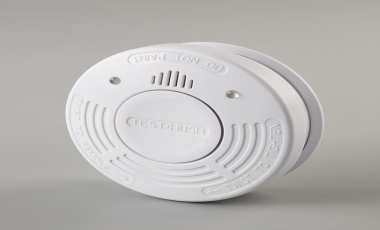
A Carbon Monoxide Alarm that goes off every 30 seconds is one of the most common and most misunderstood alert patterns in homes, commercial buildings, and light industrial facilities. People often call it “beeping,” “chirping,” or “my Carbon Monoxide Alarm beeping,” but the reason behind that 30 second pattern matters because the correct response can range from a simple battery swap to an immediate evacuation. In B2B environments such as multi unit housing, property management portfolios, warehouses, and production sites, a Carbon Monoxide Alarm going off every 30 seconds can also create operational downtime, tenant disruption, and compliance exposure.
A Carbon Monoxide Alarm going off every 30 seconds usually indicates a maintenance condition such as a low battery, an end of life alert, or a device fault, but you must first rule out a real carbon monoxide event by checking the alarm pattern, ventilating if uncertain, and following your site safety procedure.
This guide breaks down the most likely causes, the fastest solutions, and a maintenance plan you can standardize across locations. It is written for both end users and B2B teams who need repeatable troubleshooting steps, documentation friendly checklists, and practical ways to reduce recurring Carbon Monoxide Alarm beeping across multiple buildings.
Why Is My Carbon Monoxide Alarm Going Off Every 30 Seconds?
How to Stop Carbon Monoxide Detector Beeping Every 30 Seconds
Why Does My Carbon Monoxide Alarm Go Off for a Few Seconds?
How Often Should a Carbon Monoxide Alarm Go Off?
Does a Carbon Monoxide Detector Go Off Continuously?
Why Is My House Alarm Beeping Every 30 Seconds?
A Carbon Monoxide Alarm going off every 30 seconds is most often a non emergency maintenance signal, commonly caused by a low battery, an end of life warning, environmental interference, or an internal sensor fault, but you should still verify it is not a true Carbon Monoxide Alarm event by confirming the exact alert pattern and your site conditions.
In many devices, a single chirp every 30 to 60 seconds is treated as a “service me” indicator. That is why people describe a Carbon Monoxide Alarm beeping every 30 seconds even when it is not blasting a loud siren. Industry guidance commonly separates loud multi beep emergency patterns from intermittent chirps that point to maintenance needs like battery replacement or end of life replacement.
Still, your first responsibility is to verify you are not hearing an emergency pattern. A Carbon Monoxide Alarm emergency alert is often described as a repeated set of multiple loud beeps followed by a pause, which is very different from a single chirp every 30 seconds. If anyone has symptoms consistent with carbon monoxide exposure such as headache, dizziness, nausea, confusion, or unusual fatigue, treat it as an emergency until proven otherwise.
Below is a field ready list you can use across a property portfolio. These causes are frequently cited in troubleshooting guidance:
Low or depleted battery in the Carbon Monoxide Alarm
End of life alert because the detector has reached its rated service life, often around 5 to 7 years for many units
Device fault or sensor malfunction due to dust, debris, humidity, or internal error
Environmental factors such as temperature and humidity extremes that affect sensor stability
A true CO event that briefly elevates readings or triggers a warning, especially near fuel burning equipment, garages, or poorly vented spaces
Use this as a standardized decision aid for maintenance teams responding to Carbon Monoxide Alarm beeping calls.
| Sound pattern you observe | What it most likely indicates | Immediate action |
|---|---|---|
| Single chirp about every 30 to 60 seconds | Low battery, end of life, or maintenance fault | Replace battery, check age, clean unit, document service |
| Repeating loud multi beep emergency pattern with pauses | Dangerous CO detected | Evacuate, call emergency response, do not re enter until cleared |
| Short alert then stops | Temporary condition, battery condition, or brief CO presence | Ventilate if uncertain, investigate sources, monitor recurrence |
Homesmiles
A Carbon Monoxide Alarm going off every 30 seconds can be caused by low or dead batteries and replacing batteries is often the quickest fix
A Carbon Monoxide Alarm beeping every 30 seconds can be caused by a faulty sensor that may require cleaning or replacement if cleaning does not resolve it
A Carbon Monoxide Alarm going off every 30 seconds can indicate the presence of carbon monoxide and you should check fuel burning appliances, vents, and ventilation immediately
A Carbon Monoxide Alarm going off every 30 seconds can be an end of life signal because detectors have a limited lifespan and may need replacement
Environmental factors like temperature and humidity can affect a Carbon Monoxide Alarm and lead to frequent chirping if installed in an unsuitable location
Bryant
A Carbon Monoxide Alarm chirping intermittently every 30 to 60 seconds usually signals low battery or an end of life condition rather than an emergency
A Carbon Monoxide Alarm beeping pattern matters because loud repeated beeps typically indicate dangerous carbon monoxide and requires immediate evacuation
A Carbon Monoxide Alarm maintenance routine should include regular testing using the test function to confirm the siren works
In commercial facilities, Carbon Monoxide Alarm beeping every 30 seconds is frequently reported in mechanical rooms, shipping areas, or near loading docks because those zones experience temperature swings, humidity variation, and airborne particulates. Those same environmental conditions can accelerate nuisance chirps and maintenance faults. Facilities with fuel burning heaters, forklifts, standby generators, and vehicle traffic also face higher CO risk, which raises the importance of correct Carbon Monoxide Alarm placement and disciplined response procedures.
If you operate a beverage, edible oil, or liquid product plant, your production line may include upstream treatment systems, filling systems, capping, labeling, conveying, and packaging equipment. These lines are often installed alongside boilers, compressed air systems, and utilities that can introduce combustion sources and ventilation complexity. Some turnkey packaging line suppliers emphasize integrated line reliability and modular conveyance and packaging approaches, which is a useful reminder that safety monitoring should also be modular and standardized across line expansions and retrofits.
To stop a Carbon Monoxide Alarm beeping every 30 seconds, you should replace the batteries first, confirm the unit is not at end of life, clean and reseat the device if needed, check placement and environmental conditions, and escalate to a qualified technician if chirping persists or if there is any chance of a real carbon monoxide condition.
If the alert pattern is unclear or occupants report symptoms, do not troubleshoot in place. Move people to fresh air, ventilate the space if it can be done quickly and safely, and follow your emergency procedure. For B2B sites, this means initiating your incident checklist and logging time, location, and who was present.
Low battery is one of the most common reasons for a Carbon Monoxide Alarm going off every 30 seconds. Replace batteries with new, high quality batteries and ensure correct polarity and firm seating in the compartment. Then observe for several minutes. If the Carbon Monoxide Alarm beeping stops, log the fix, date, and device location for auditability.
B2B tip: If you manage many units, avoid mixed battery types across sites. Standardize a battery SKU, set replacement cadence, and track it in your CMMS or maintenance spreadsheet.
Many detectors have a limited service life and can chirp when they reach end of life. If a battery replacement does not stop the Carbon Monoxide Alarm beeping every 30 seconds, check the manufacture date or replacement guidance on the device and replace the unit if it is past its service window. Guidance commonly references a service life of roughly 5 to 7 years for many units.
B2B tip: Replace by batch to reduce labor. If a building was commissioned at the same time, many Carbon Monoxide Alarm units will age out together. Plan a rolling replacement project rather than reacting to nuisance chirps.
Dust and debris can contribute to error conditions and erratic chirping. Remove the Carbon Monoxide Alarm from its mount if applicable, gently clean exterior vents, and ensure it is not installed in a location with sustained high humidity, cooking steam, or temperature extremes. Environmental factors such as humidity and temperature are often mentioned as contributors to frequent chirping.
If your Carbon Monoxide Alarm going off every 30 seconds happens near fuel burning appliances, attached garages, loading docks, or mechanical rooms, you should inspect for potential sources. Common sources include malfunctioning gas appliances, blocked flues, and ventilation failures. If you cannot confidently rule out a CO issue, escalate to a qualified professional and follow local safety rules.
Confirm sound pattern and location of Carbon Monoxide Alarm
Ask about symptoms and evacuate if symptoms exist
Replace batteries and verify reset behavior
Check end of life date and replace if expired
Clean vents and verify mounting and placement
Investigate nearby combustion sources and ventilation
Log actions and outcomes for compliance and trend analysis
In facilities where bottling lines run on tight schedules, nuisance Carbon Monoxide Alarm beeping can interrupt shifts and trigger unnecessary stoppages. Turnkey production line environments often include integrated process, filling, labeling, conveying, and packaging stages that are designed for reliability and adaptability as production needs change. That same mindset should apply to safety monitoring: use modular placement strategies, consistent preventive maintenance, and clear escalation pathways so Carbon Monoxide Alarm signals do not become recurring operational friction.
A Carbon Monoxide Alarm that goes off for a few seconds can be caused by a temporary change such as a brief CO presence that dissipates, a transient sensor condition, or a maintenance issue like low battery or calibration behavior, and it should be treated as a warning to investigate rather than ignored.
Short activations may occur if a fuel burning appliance cycles on, a vehicle starts near an attached garage, or ventilation briefly backdrafts. Even if the Carbon Monoxide Alarm stops quickly, it can indicate that CO was present long enough to trigger a threshold response. In multi tenant buildings or mixed use properties, a brief Carbon Monoxide Alarm event in one unit can be related to a shared venting pathway or pressure changes in corridors and shafts.
From a B2B perspective, repeated brief events are especially important because they can reveal a systemic issue such as intermittent backdrafting, fluctuating exhaust fan performance, or negative pressure in mechanical spaces.
Some devices produce short alerts when batteries are unstable, when the unit is nearing end of life, or when sensors experience environmental stress. If a Carbon Monoxide Alarm beeping pattern is inconsistent, maintenance teams should treat it like an investigation: battery first, then age, then environment, then source checks.
Use a tiered approach:
One time brief event with a clear non emergency chirp pattern and no symptoms
Action: Replace battery, verify date, monitor
Repeating brief events, especially near combustion equipment
Action: Investigate sources, ventilation, and bring in qualified inspection
Any event with symptoms or an emergency pattern
Action: Evacuate and call emergency services, do not re enter until cleared
A Carbon Monoxide Alarm should only go off during testing or when it detects conditions that meet its alarm thresholds, and outside of scheduled testing, any Carbon Monoxide Alarm beeping or alarms should be treated as actionable, either maintenance related or safety related.
For most sites, the normal and acceptable frequency is:
Monthly functional test of the Carbon Monoxide Alarm siren using the test function
Battery replacement per your policy, often at least annually or when low battery chirps occur
Replacement at end of life per device guidance
Zero uninvestigated alarms during occupancy
In other words, outside of testing, a Carbon Monoxide Alarm going off is not “normal background noise.” It is either a maintenance flag or a sign of a hazardous condition.
| Task | Recommended cadence | What it reduces |
|---|---|---|
| Carbon Monoxide Alarm functional test | Monthly | Undetected dead sirens and missed failures |
| Battery replacement | On low battery chirp or scheduled cadence | Carbon Monoxide Alarm beeping every 30 seconds due to low battery |
| Visual inspection and cleaning | Quarterly to semiannual | False chirps due to dust, debris, humidity |
| End of life replacement | Per device service life | Recurring chirps and compliance gaps |
For property managers and EHS teams, every Carbon Monoxide Alarm beeping incident is data. If a specific building has repeated Carbon Monoxide Alarm going off every 30 seconds events, that trend can point to:
inconsistent battery replacement practices
devices reaching end of life at the same time
environmental placement issues such as humidity or temperature stress
recurring CO sources such as venting problems
Tracking this helps you shift from reactive troubleshooting to preventive control.
Yes, a Carbon Monoxide Alarm can go off continuously or in a repeated loud pattern when it detects dangerous carbon monoxide levels, and that situation should be treated as a life threatening emergency requiring immediate evacuation and emergency response.
A key source of confusion is language. People say “my Carbon Monoxide Alarm beeping,” but the acoustic pattern matters. Guidance commonly explains that intermittent chirps every 30 to 60 seconds usually indicate maintenance, while a repeated loud emergency pattern indicates a CO event.
If your Carbon Monoxide Alarm is loud, repeating, and not stopping, you should not spend time trying to silence it. Your priority is life safety: move everyone to fresh air and call emergency services. Do not re enter until the building is declared safe.
For workplaces, warehouses, and plants:
Trigger evacuation or shelter procedures per your EHS plan
Account for personnel and visitors
Secure operations if safe to do so, but do not delay evacuation
Provide responders with site details, fuel burning equipment locations, and recent maintenance logs
After clearance, schedule professional inspection of appliances, vents, and combustion systems
If a Carbon Monoxide Alarm goes off continuously even once, treat the post incident review seriously. In buildings with repeated CO events, underlying factors can include poor venting design, blocked exhaust pathways, appliance failure, or pressure imbalances. A structured root cause analysis prevents recurrence and protects occupants.
A house alarm beeping every 30 seconds may be your Carbon Monoxide Alarm, your smoke alarm, or another safety device using a low battery or trouble chirp pattern, so you should identify the exact device, read its indicator lights or display, and then apply the correct fix such as battery replacement, end of life replacement, or professional service.
In many homes and mixed use properties, multiple devices chirp similarly:
Carbon Monoxide Alarm units
smoke alarms
combination smoke and CO units
security system keypads
leak sensors and environmental monitors
Start by walking the space, listening closely at each device, and checking any indicator lights. Misidentification is a major reason people “fix” the wrong thing and the beeping continues.
If it is a Carbon Monoxide Alarm going off every 30 seconds, the resolution path is usually:
Replace battery
Check end of life and replace the unit if needed
Clean and correct placement and environment
Investigate CO sources if risk context exists
Escalate to a qualified professional if chirping persists
If it is a security keypad or other system, you may need to clear a trouble code or replace a backup battery. The key is to avoid assuming every 30 second chirp is a Carbon Monoxide Alarm when it could be another system.
For B2B operators, label each Carbon Monoxide Alarm and related device with:
device type
install date
expected replacement date
maintenance contact procedure
Then keep a simple log of every Carbon Monoxide Alarm beeping event: location, pattern, action taken, outcome. Over time, that dataset will reduce repeated nuisance calls and improve response speed.
A Carbon Monoxide Alarm going off every 30 seconds is usually a maintenance signal such as low battery, end of life, or a minor device fault, but you should always confirm the alert pattern and rule out a true carbon monoxide emergency. Replace batteries first, check device age, clean and verify placement, and escalate when chirping persists or when building context suggests combustion risk. In B2B environments, standardize your Carbon Monoxide Alarm response workflow, track Carbon Monoxide Alarm beeping incidents across sites, and use preventive maintenance cadences to reduce recurrence and protect occupants.