Views: 0 Author: Site Editor Publish Time: 2026-02-16 Origin: Site


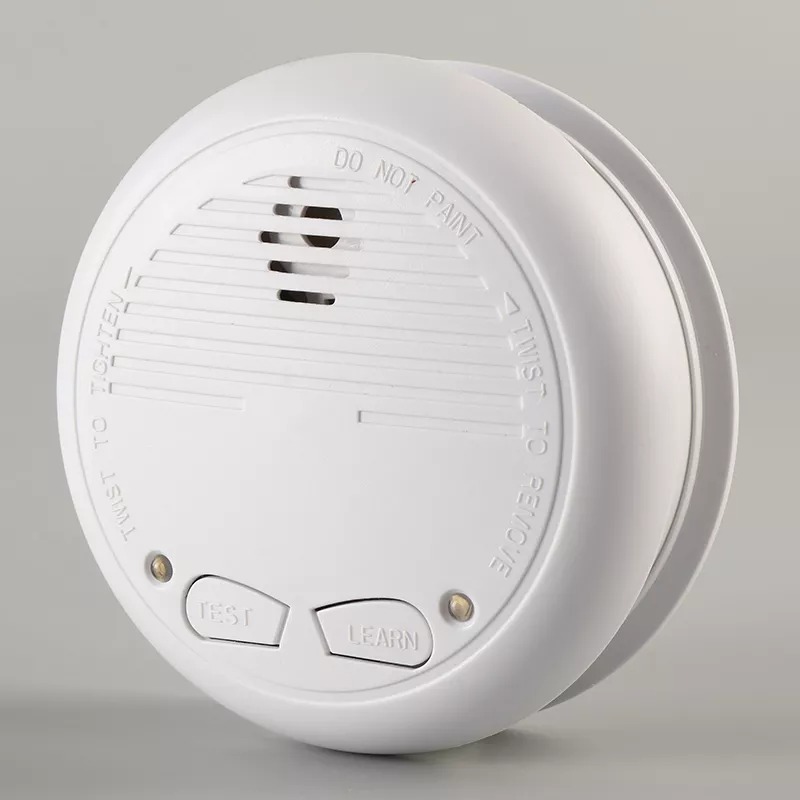
Fire safety technology has advanced significantly over the last decade, leading many homeowners and facility managers to upgrade their existing life-safety systems. While installing a new smoke detector or heat alarm is a straightforward process, the decommissioning and disposal of old units present a unique set of environmental and regulatory challenges. Many people are unaware that these devices often contain electronic components, heavy metals, or even trace amounts of radioactive material that require specialized handling rather than standard refuse collection.
The proper disposal of an old smoke detector, heat alarm, or carbon monoxide alarm depends primarily on the sensing technology used within the device; ionisation smoke alarms must be treated as hazardous or radioactive waste, while optical smoke alarms, heat alarms, and CO detectors are generally processed as Waste Electrical and Electronic Equipment (WEEE) at specialized recycling centers.
Properly managing the end-of-life stage for these devices is crucial for environmental sustainability and corporate social responsibility. This comprehensive guide will explore the nuances of residential versus commercial disposal, the technical differences between various alarm types, and the regulatory frameworks governing their removal. By understanding the correct protocols, you can ensure that your safety upgrades do not inadvertently lead to environmental contamination or legal non-compliance.
Domestic Alarm Disposal
Business Alarm Disposal
Settings and Technical Identification
Residential users should first identify if their smoke detector is an ionisation or optical model, then dispose of it via local household waste recycling centers or dedicated WEEE collection points rather than placing it in general household trash.
For the average homeowner, a smoke alarm detector is often a "set and forget" device until the end-of-life chirp begins. When it comes time to replace these units, the first step is to check the back of the device. If the unit is an ionisation smoke detector, it contains a tiny amount of Americium-241. While safe during use, these units should ideally be returned to the manufacturer or taken to a facility equipped to handle low-level radioactive waste. Most local councils provide specific bins at recycling centers for small electrical items, which is where optical smoke alarm detector units and heat alarm models should be placed.
Furthermore, the batteries must be handled separately. Before taking your smoke detector or heat alarm to a recycling center, remove the 9V or AA batteries. These should be placed in dedicated battery recycling tubes found in most supermarkets. If the device has a sealed 10-year lithium battery, the entire unit must be treated as a single piece of electronic waste. Never attempt to pry open a sealed battery compartment, as this can lead to chemical leaks or fire hazards.
The environmental impact of improper disposal is significant. A smoke detector contains plastics and circuit boards that take hundreds of years to decompose in a landfill. By utilizing domestic recycling streams, the plastic casings and metal components can be reclaimed. Many local authorities now offer "kerbside" collection for small electricals, making it easier than ever to ensure your old heat alarm or smoke alarm detector is processed correctly without leaving your property.
| Alarm Type | Technology | Recommended Domestic Disposal Method |
| Ionisation Smoke Alarm | Radioactive Source | Local Authority Hazardous Waste / Manufacturer Take-back |
| Optical Smoke Alarm | Photoelectric/Infrared | WEEE Recycling Center (Small Electricals) |
| Heat Alarm | Thermistor | WEEE Recycling Center (Small Electricals) |
| Carbon Monoxide Alarm | Electrochemical Cell | WEEE Recycling Center (Small Electricals) |
Businesses and commercial entities are legally obligated to dispose of a smoke detector or heat alarm in accordance with commercial WEEE regulations, often requiring a Waste Transfer Note and the use of a licensed waste carrier for bulk quantities.
In a commercial or industrial setting, the disposal of a smoke alarm detector or heat alarm system is governed by stricter environmental laws than domestic waste. Businesses cannot simply drop their old units at a local household recycling center. Instead, they must engage with a registered waste management company that provides documentation proving the waste was handled responsibly. This is particularly important for large facilities where hundreds of smoke detector units may be replaced at once during a system overhaul.
The logistics of business disposal often involve "bulk recycling." When a professional fire safety contractor replaces a building-wide system, they often take responsibility for the old units. However, the business owner remains the "producer" of the waste. You must ensure that the contractor is disposing of every smoke alarm detector and heat alarm through a legitimate WEEE processing plant. Failing to do so can result in heavy fines and damage to a company’s green credentials.
Large-scale disposal of ionisation smoke detector units requires even more diligence. Because these contain radioactive material, shipping them in large quantities may fall under "Class 7" transport regulations depending on the total activity level of the isotopes. Businesses should maintain a register of all decommissioned heat alarm and smoke detector units, noting the date of removal and the method of disposal to satisfy health and safety audits.
Inventory Audit: Count the total number of smoke detector and heat alarm units being retired.
Type Separation: Segregate ionisation units from optical and heat units.
Battery Removal: Ensure all removable power sources are extracted and binned in commercial battery recycling containers.
Documentation: Obtain a Waste Transfer Note (WTN) from your waste carrier.
Certification: Keep records for at least two years to prove compliance with environmental regulations.
To ensure the correct disposal path, users must check the device settings and labels, specifically looking for the "crossed-out wheelie bin" symbol or the radioactive trefoil sign on the rear of the smoke detector or heat alarm.
Identifying the specific "settings" or internal technology of your smoke alarm detector is the most critical step in the disposal process. Most modern heat alarm units and smoke detector models feature a label on the mounting base or the internal compartment.
The physical settings of a smoke detector can also provide clues. Optical or photoelectric alarms typically have a larger sensing chamber designed to catch visible smoke particles, whereas a heat alarm is often smaller and lacks the "vents" seen on smoke units because it relies on a thermistor to detect temperature spikes. Carbon monoxide alarms are often distinguishable by their limited lifespan (usually 5 to 10 years) clearly marked on the side, as the electrochemical sensors inside degrade over time.
Understanding these technical settings ensures that the recycling facility can sort the materials efficiently. For instance, the gold and copper found in the circuitry of a high-end smoke alarm detector are valuable for reclamation, but they can only be recovered if the unit is placed in the correct recycling stream. Before disposal, always check the "Replace By" date settings; if a heat alarm is past its expiration, its internal components may be unstable or corroded, necessitating immediate and careful recycling.
Disposing of an old smoke detector, heat alarm, or smoke alarm detector is a task that requires more than just a trip to the bin. By identifying the technology within the device—whether it is an ionisation unit with radioactive components or an optical unit with complex circuitry—you can choose the correct recycling path. Domestic users should utilize local WEEE collection points, while businesses must adhere to strict waste transfer protocols to remain compliant. Ultimately, the goal is to keep hazardous materials out of landfills while recovering valuable metals and plastics for future use.