Views: 0 Author: Site Editor Publish Time: 2026-02-18 Origin: Site


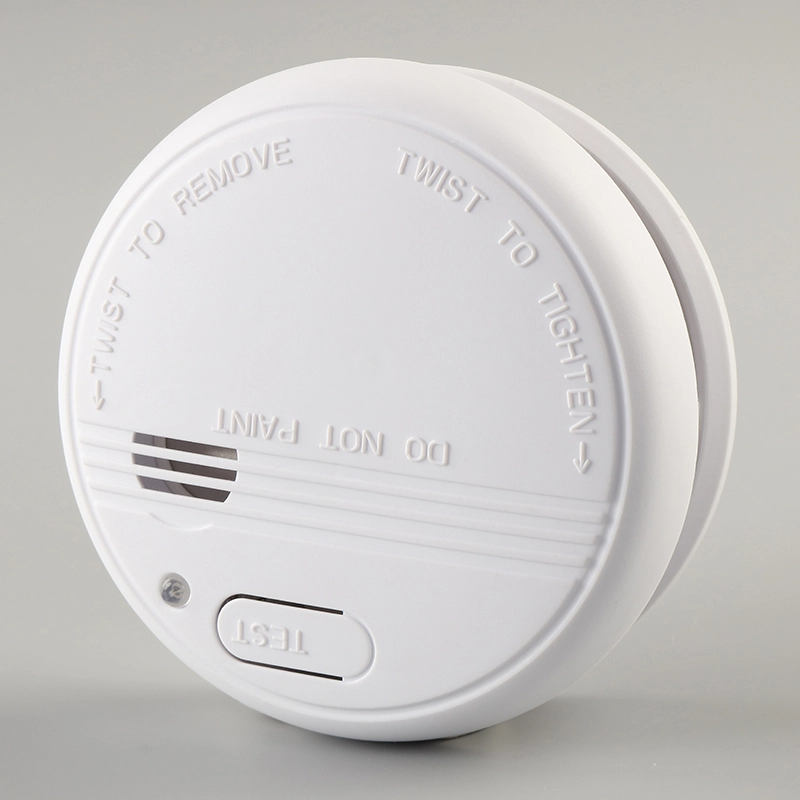
In the realm of home and industrial safety, the terminology surrounding life-saving sensors can often become blurred. Many property owners and facility managers mistakenly believe that a single device can detect all airborne threats. However, the biological and physical threats posed by fire and chemical leaks are fundamentally different, necessitating specialized sensing technologies. Understanding these nuances is not just a matter of technical literacy; it is a critical component of a comprehensive safety strategy that protects lives and physical assets from unpredictable disasters.
The primary difference between a smoke detector and a carbon monoxide detector lies in what they sense: a smoke detector identifies physical particulates produced by combustion, whereas a carbon monoxide detector monitors the presence of CO, a colorless, odorless, and tasteless gas resulting from incomplete combustion. While a smoke detector is designed to alert you to an active fire, a carbon monoxide detector warns you of a lethal gas leak that is otherwise undetectable by human senses.
This guide provides an in-depth exploration of how these devices function, where they should be installed, and why integrating high-quality sensors from providers like Kingdun is essential for modern safety compliance. By the end of this article, you will have a clear understanding of the mechanical differences, the risks associated with each threat, and the best practices for maintaining a secure environment.
Smoke Alarms: Fire Fighter
Carbon Monoxide Alarms: Fighting against the invisible
Gas Detection Alarms
Placement Matters
Why You Need Both
Conclusion
A smoke detector is an electronic safety device specifically engineered to sense the presence of smoke, typically as an indicator of fire, and issue an audible or visual alarm to facilitate immediate evacuation.
The mechanism of a smoke detector relies on one of two primary technologies: ionization or photoelectric sensing. Ionization smoke detector units are highly responsive to fast-flaming fires, which produce small amounts of smoke but high heat. Inside these units, a tiny amount of radioactive material ionizes the air, creating a constant current; when smoke enters the chamber, it disrupts this current, triggering the alarm. Conversely, photoelectric smoke detector models are better at detecting slow-burning, smoldering fires. They use a light source and a sensor; when smoke enters the chamber, it scatters the light toward the sensor, completing the circuit and sounding the alert.
In many modern industrial and residential settings, the Smoke Alarm Detector is often supplemented by a Heat Alarm. While a standard smoke detector might be prone to false alarms in a kitchen or garage due to cooking vapors or exhaust, a Heat Alarm triggers based on temperature thresholds rather than air particles. This makes the Heat Alarm a vital component of a fire safety network, ensuring that detection occurs even in environments where smoke-based sensors are impractical.
Kingdun offers a range of high-performance smoke detector solutions that integrate these technologies to provide comprehensive coverage. By utilizing a Smoke Alarm Detector with advanced sensitivity settings, users can ensure they are alerted to both smoldering hazards and rapid-growth fires. The reliability of a smoke detector depends heavily on its sensor quality and battery longevity, both of which are focal points for professional-grade safety equipment.
A carbon monoxide detector is a specialized sensor designed to measure the concentration of CO gas in the atmosphere and trigger an alarm before toxic levels are reached, preventing CO poisoning.
Carbon monoxide is often referred to as the "Silent Killer" because it possesses no scent, color, or taste, making it impossible for humans to detect without mechanical aid. A carbon monoxide detector functions differently than a smoke detector. It typically uses an electrochemical sensor, which contains a chemical solution that reacts with CO gas. When CO levels rise, a chemical reaction occurs within the sensor, generating an electrical current that fluctuates based on the gas concentration. This allows the device to provide a cumulative reading, often triggering different alarm patterns based on how quickly the gas is accumulating.
The risk of CO poisoning often stems from malfunctioning fuel-burning appliances such as furnaces, water heaters, and fireplaces. Unlike a fire, which a smoke detector would catch via visible particulates, a CO leak produces no smoke. If you only have a smoke detector installed, you remain completely vulnerable to CO leaks. This is why the distinction between a smoke detector and a CO alarm is life-saving information; the sensors are not interchangeable because they look for entirely different molecular structures.
High-quality CO detectors are calibrated to ignore common household gases while remaining hyper-sensitive to carbon monoxide. For business owners and homeowners alike, installing these alongside a Smoke Alarm Detector ensures that both the visible threat of fire and the invisible threat of gas are managed. Kingdun's detection technology emphasizes precision, ensuring that the electrochemical sensors remain stable over long periods to provide consistent protection.
Gas detection alarms are broad-spectrum or specialized devices used to detect combustible, flammable, or toxic gases—such as methane, propane, or natural gas—to prevent explosions or asphyxiation.
While a smoke detector handles fire and a CO alarm handles carbon monoxide, gas detection alarms address the risk of fuel leaks. These devices are particularly important in buildings that utilize natural gas or liquid propane for heating and cooking. A gas detector uses catalytic or infrared sensors to monitor the air for specific gas molecules. When the concentration reaches a percentage of the Lower Explosive Limit (LEL), the device alerts occupants to evacuate and shut off the gas supply.
The integration of gas detectors with a smoke detector network creates a holistic safety shield. For instance, in a commercial kitchen, you might find a Heat Alarm to monitor for fires, a smoke detector in the hallways for general safety, and a gas detector near the stove lines. Each device serves a unique purpose. A Smoke Alarm Detector cannot sense a natural gas leak, just as a gas detector will not necessarily trigger if there is a smoldering fire that hasn't yet produced a gas byproduct.
Reliability in gas detection is paramount because of the explosive nature of the gases involved. Kingdun provides robust gas sensing units that are designed for durability and high-decibel alerts. These units often feature digital displays to show real-time gas concentrations, offering an extra layer of data for facility managers who need to monitor environment safety levels constantly alongside their smoke detector maintenance schedules.
Proper placement of safety devices involves installing smoke detectors on every level of a building and inside every bedroom, while CO detectors should be placed near sleeping areas and on every floor to ensure maximum audibility.
The effectiveness of a smoke detector is heavily influenced by its location. Because smoke rises, a smoke detector should always be mounted on the ceiling or high on a wall (usually within 12 inches of the ceiling). In contrast, because carbon monoxide mixes relatively evenly with the air, a CO detector can be placed at various heights, though many experts suggest placing them at "head height" or near sleeping areas where they are most likely to wake a sleeping person.
| Room Type | Recommended Device | Placement Tip |
| Bedroom | Smoke Alarm Detector | Inside the room and outside the door |
| Kitchen | Heat Alarm | Avoid placing directly over the stove |
| Basement | smoke detector | On the ceiling near the stairs |
| Living Area | Carbon Monoxide Alarm | Near the primary heat source |
| Garage | Heat Alarm | Avoid smoke detector due to exhaust |
Failure to place a smoke detector correctly can lead to delayed response times. For example, placing a smoke detector in a "dead air" space—like the very corner where a wall meets the ceiling—might prevent smoke from reaching the sensor quickly. Similarly, a Heat Alarm must be positioned where heat accumulates rapidly during a fire event. Kingdun recommends a strategic layout that accounts for the specific airflow and architectural features of the building to ensure that the Smoke Alarm Detector network is optimized.
You need both a smoke detector and a carbon monoxide detector because they protect against two distinct and equally lethal threats that cannot be detected by a single sensor technology.
Relying solely on a smoke detector leaves your property exposed to the "silent killer" of carbon monoxide. Conversely, having only CO detection means you have no early warning system for a fire. Statistical data consistently shows that homes and businesses with integrated safety systems—combining a Smoke Alarm Detector, CO sensors, and Heat Alarm units—have significantly higher survival and asset-recovery rates during emergencies.
The synergy between these devices is what creates a true "safety net." A smoke detector provides the precious seconds needed to escape a burning building where smoke inhalation is the leading cause of death. Meanwhile, the CO detector provides a long-term watch over the integrity of your heating and ventilation systems. Using a high-quality smoke detector from Kingdun ensures that the hardware is built to industry standards, reducing the likelihood of sensor failure when it matters most.
| Feature | smoke detector (Photoelectric) | Carbon Monoxide Detector |
| Detection Target | Visible smoke particles | CO gas molecules |
| Sensor Life | Approx. 10 years | Approx. 5-7 years |
| Primary Risk | Asphyxiation from smoke/fire | Chemical poisoning |
| Best For | Smoldering fires | Appliance leaks |
Modern safety standards often suggest using "combination" units, but even then, the placement must be considered carefully. If a combination smoke detector and CO alarm is placed on the ceiling (ideal for smoke), it is still effective for CO, but the reverse (placing a smoke sensor low on a wall) is dangerous. For maximum protection, a dedicated Smoke Alarm Detector in every vital area remains the gold standard.
Understanding the difference between a smoke detector and a carbon monoxide detector is the first step toward creating a resilient safety environment. While the smoke detector stands as your primary defense against the visible and immediate danger of fire, the CO detector acts as a silent guardian against chemical threats. Integrating these with specialized tools like a Heat Alarm or a Smoke Alarm Detector ensures that every possible angle of risk is covered.
Safety is not an area where one should compromise on quality. Utilizing advanced detection technology from Kingdun allows for a professional-grade setup that complies with global safety standards. By ensuring proper placement, regular maintenance, and an understanding of how each smoke detector functions, you can protect what matters most.