Views: 0 Author: Site Editor Publish Time: 2026-02-28 Origin: Site


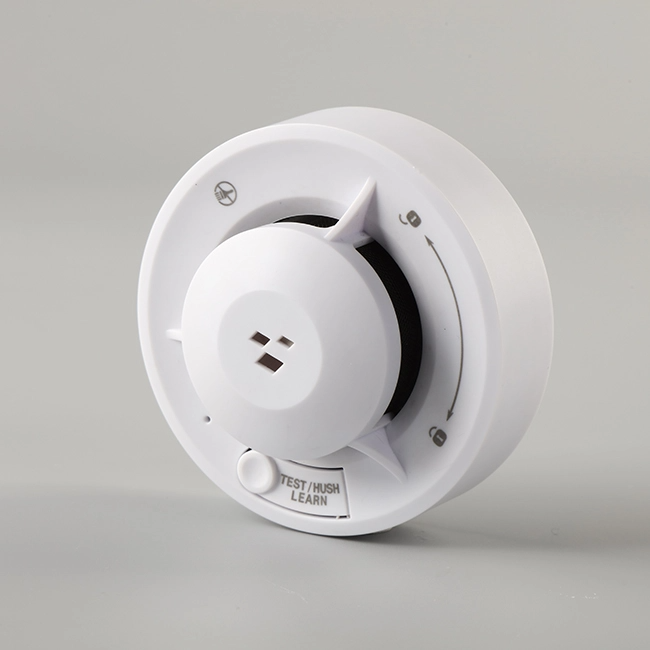
Maintaining a functional fire safety system is a critical responsibility for facility managers, property owners, and safety officers. When a smoke detector begins to chirp or malfunction, it is not merely an annoyance; it is a potential lapse in life-safety protocols. Understanding the intricacies of smoke alarm detector technology and the nuances between different sensory methods, such as a heat alarm, ensures that your building remains compliant and its occupants remain protected.
To effectively troubleshoot a smoke alarm detector, you must first identify the pattern of the sound—whether it is a continuous siren or an intermittent chirp—and then systematically check the power source, clean the internal sensors of dust, and verify the expiration date of the unit. Most issues with a smoke detector can be resolved by replacing old batteries, clearing debris from the sensing chamber, or resetting the device to clear residual electrical charge.
As technology evolves, the integration of advanced sensors into modern safety systems has made troubleshooting more specific. This guide provides a deep dive into the technical aspects of keeping your fire detection system in peak condition. We will explore the common triggers for false alarms, the mechanical differences between various detection units, and the professional maintenance schedules required for large-scale B2B environments.
Common Causes of Intermittent Beeping in a Smoke Detector
Distinguishing Between a Smoke Alarm Detector and a Heat Alarm
Step by Step Reset Procedures for Hardwired Smoke Alarm Systems
Environmental Factors Affecting Smoke Detector Sensitivity
Technical Specifications and Lifecycle Management of Detection Units
Conclusion: Ensuring Long Term Fire Safety Compliance
Intermittent beeping or chirping in a smoke detector is most frequently caused by a low battery signal, a loose connection in hardwired systems, or an accumulation of dust that interferes with the optical or ionization sensors.
A smoke alarm detector is designed with a fail-safe mechanism that alerts the user when its operational integrity is compromised. The most common culprit is the battery. Even in hardwired units, a backup battery is present to ensure functionality during power outages. When this battery’s voltage drops below a certain threshold, the device emits a short chirp every 30 to 60 seconds. It is a common misconception that "hardwired" means "maintenance-free." In professional settings, failing to replace these backup cells can lead to a site-wide synchronization issue where one unit’s low-battery signal triggers a cascade of chirps across an entire floor.
Beyond power issues, internal dust and debris are significant factors. Over time, the sensing chamber of a smoke detector can collect microscopic particles, spider webs, or even small insects. These obstructions can reflect the internal light beam in photoelectric models or disrupt the ion flow in ionization models, leading to "nuisance alarms" or persistent chirps. In industrial environments, airborne particulates like sawdust or drywall dust are particularly problematic, necessitating regular vacuuming or compressed air cleaning of the units to maintain clear pathways for smoke entry.
Finally, internal hardware malfunctions or the end-of-life signal must be considered. Most modern smoke alarm detector units have a lifespan of approximately 10 years. After this period, the internal components, particularly the radioactive source in ionization detectors or the LED in photoelectric ones, begin to degrade. If a unit continues to chirp after a battery change and cleaning, it is likely signaling that the internal processor has detected a fatal error or that the device has reached its expiration date, requiring immediate replacement to maintain safety standards.
| Beep Pattern | Potential Cause | Recommended Action |
| Single chirp every 30-60s | Low Battery | Replace battery immediately |
| Consistent, loud siren | Fire or Heavy Smoke | Evacuate and call emergency services |
| 3 Beeps, pause, 3 Beeps | Smoke Detected | Investigate source of combustion |
| 2 Chirps every 30s | End of Life | Replace the entire unit |
The primary difference lies in the detection trigger: a smoke detector identifies airborne particles produced by combustion, whereas a heat alarm activates only when a specific temperature threshold is reached or when a rapid rise in temperature occurs.
Choosing the right device for specific zones in a commercial building is essential for reducing false triggers. A smoke alarm detector is highly sensitive and ideal for hallways, offices, and bedrooms. However, in environments where steam, dust, or cooking fumes are common—such as kitchens, garages, or boiler rooms—a standard smoke detector is prone to false activations. In these high-particulate areas, a heat alarm is the superior choice. Because it ignores smoke and only responds to thermal energy, it provides a reliable secondary layer of defense without the nuisance of constant troubleshooting.
The mechanics of a heat alarm involve either a thermistor or a bimetallic strip. Fixed-temperature heat detectors trigger when the ambient air reaches a pre-set level, typically around 58°C. Rate-of-rise heat detectors, on the other hand, monitor how quickly the temperature increases. If the temperature jumps by a specific number of degrees within a minute, the alarm sounds. This makes them exceptionally useful in large warehouses where a fast-moving fire might occur, but where a smoke alarm detector might be hindered by high ceilings or dusty air.
Integrating both types of sensors into a unified fire safety plan is a hallmark of professional facility management. A smoke detector provides the earliest possible warning for smoldering fires, which produce toxic gases long before flames appear. Conversely, the heat alarm acts as a robust sentinel in harsh environments. Understanding these technical distinctions allows for a more strategic placement of devices, ensuring that the troubleshooting process is simplified because the right equipment is installed in the right environment from the start.
Resetting a hardwired smoke alarm detector involves power cycling the unit by disconnecting it from the AC power, removing the backup battery, and holding the test button for 15 to 30 seconds to drain the residual charge from the internal capacitor.
When a smoke detector continues to alarm after the smoke has cleared, it often indicates that the internal logic of the device has "locked" in the alarm state. For hardwired systems, simply clearing the air isn't always enough. You must perform a hard reset. This process starts at the circuit breaker; locate the dedicated switch for the fire alarm system and turn it off. Once the AC power is cut, the unit will likely chirp once, switching to its backup battery. You must then unmount the smoke alarm detector from its bracket and unplug the wiring harness to completely isolate the device.
Once isolated, remove the battery. The most critical step follows: press and hold the "Test" or "Reset" button for a minimum of 20 seconds. This discharges any electricity stored in the unit's capacitors, effectively "rebooting" the internal firmware. Many facility managers skip this step, leading to recurring false alarms because the smoke detector sensor remains in a hyper-sensitive state or retains an error code in its temporary memory. After the discharge, reinstall a fresh battery and reconnect the AC power.
After restoring power, the smoke alarm detector should perform a self-test sequence, usually indicated by a green LED light. If you are managing a networked system, resetting one unit might require you to check the "interconnect" wire. If one unit in the chain is faulty, it can send a signal to every other smoke detector in the building, causing a synchronized alarm. Systematically resetting each unit and checking the wiring for nicks or ground faults is essential for maintaining large-scale B2B safety networks.
Environmental variables such as high humidity, extreme temperature fluctuations, and air velocity can significantly interfere with the calibration and sensitivity of a smoke detector, leading to false alarms.
Humidity is one of the most frequent environmental triggers for a smoke alarm detector. In many commercial buildings, HVAC systems may create pockets of high humidity or condensation near ceiling-mounted units. Water vapor can scatter the light in a photoelectric smoke detector chamber in a manner nearly identical to smoke particles. This is why units installed too close to bathrooms or industrial dishwashers often require more frequent troubleshooting. Ensuring that detectors are placed at least 3 meters away from high-humidity sources is a standard B2B installation requirement.
Temperature also plays a role, especially for a heat alarm or specialized smoke alarm detector models. In uninsulated attic spaces or storage sheds, extreme heat can cause the plastic housing of a unit to off-gas slightly, or it may affect the conductivity of the internal circuitry. Furthermore, rapid air movement from ceiling fans or powerful AC vents can blow smoke away from the sensing chamber or, conversely, blow dust into it. This "air scrubbing" effect can delay the response time of a smoke detector during a real fire or cause it to malfunction during routine operation.
To mitigate these factors, regular environmental audits are necessary. Facility managers should ensure that smoke alarm detector units are not placed in "dead air" spaces (corners where air does not circulate) or directly in the path of high-velocity air streams. In areas where environmental control is difficult, switching to a more ruggedized heat alarm or a dual-sensor detector can alleviate many of the common troubleshooting headaches associated with false triggers caused by the surrounding atmosphere.
Effective lifecycle management of a fire safety system requires a detailed understanding of the technical specifications of each smoke alarm detector and the implementation of a rigorous replacement schedule.
In a B2B context, managing hundreds of units requires a database of installation dates and model numbers. Every smoke detector has a technical specification sheet that dictates its optimal operating environment, including voltage tolerances and temperature ranges. For instance, a high-quality smoke alarm detector might have a sensitivity range of 0.5% to 4.0% obscuration per foot. If a unit's sensitivity drifts outside this range due to aging or contamination, it will trigger an internal fault. Monitoring these specifications helps in predicting when a batch of units might fail.
The lifecycle of a smoke alarm detector is generally a decade, but environmental factors can shorten this. A heat alarm might last slightly longer due to its simpler mechanical nature, but standard practice still recommends a 10-year replacement cycle for all life-safety components. When troubleshooting a large facility, it is often more cost-effective to replace a malfunctioning unit than to spend multiple man-hours on repeated cleanings, especially if the unit is past its five-year mark.
| Feature | Photoelectric Smoke Detector | Ionization Smoke Detector | Heat Alarm |
| Primary Trigger | Large smoke particles | Microscopic fire particles | Temperature/Rate of Rise |
| Best For | Smoldering fires | Fast-flaming fires | Kitchens/Garages |
| Troubleshooting Frequency | Moderate (Cleaning) | High (Battery/Sensitivity) | Low |
| B2B Standard Life | 10 Years | 10 Years | 10 Years |
| Humidity Resistance | Low | Medium | High |
Using advanced units with digital displays or "Smart" connectivity can also streamline the troubleshooting process. These modern smoke alarm detector models can send specific error codes to a central management hub, identifying exactly which unit is failing and why (e.g., "Sensor Contamination" vs. "Low Battery"). This data-driven approach reduces the time spent hunting for a chirping alarm in a large commercial complex.
Troubleshooting a smoke detector is a vital skill for maintaining a safe and compliant environment. By recognizing the difference between a low-battery chirp and a sensor malfunction, and by understanding when to use a heat alarm instead of a standard smoke alarm detector, you can significantly reduce the risk of system failure. Regular maintenance—consisting of monthly tests, annual cleanings, and a strict ten-year replacement policy—remains the most effective strategy for ensuring that these life-saving devices perform when they are needed most.
The reliability of your fire safety system depends on the quality of the hardware and the consistency of the maintenance. Whether you are managing a single-family home or a multi-story commercial complex, treating every smoke detector as a critical piece of infrastructure is essential. Through systematic troubleshooting and a proactive approach to environmental factors, you can ensure that "safety first" is not just a slogan, but a functional reality.