Views: 0 Author: Site Editor Publish Time: 2026-02-26 Origin: Site


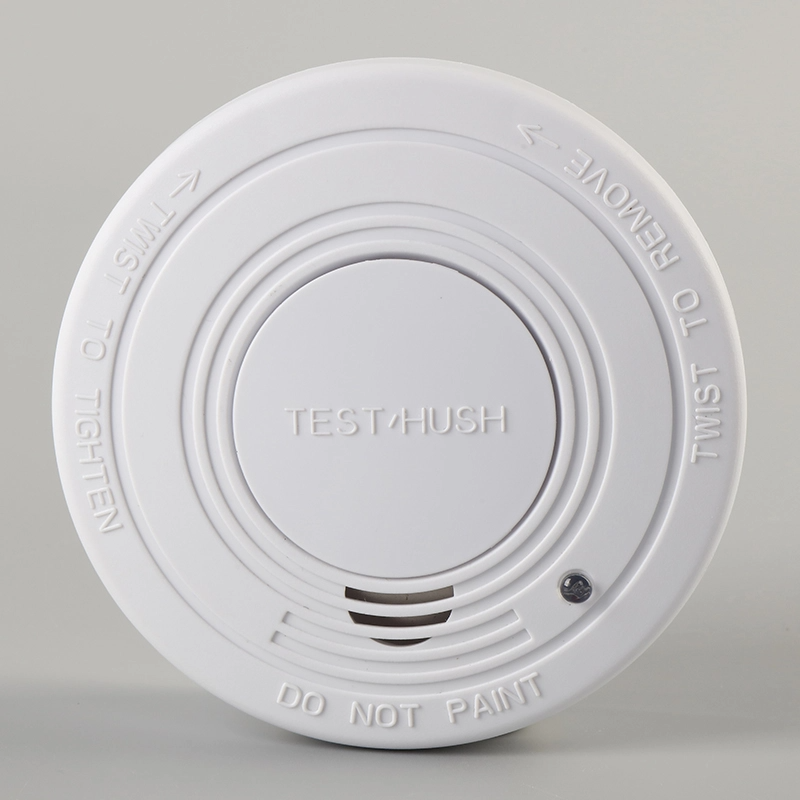
The safety of your residential or commercial property hinges significantly on the early detection of fire hazards. Selecting the right smoke detector is not merely a home improvement task; it is a critical life-saving decision that requires understanding the nuances of sensor technology, power sources, and local fire codes. As fire dynamics change—largely due to the prevalence of synthetic materials in modern furnishings—the window for a safe evacuation has shrunk from approximately 17 minutes to less than three minutes, making high-quality detection equipment more essential than ever.
To choose the best smoke alarm for your home, you should install interconnected photoelectric smoke detectors on every level, inside every bedroom, and outside all sleeping areas to ensure maximum coverage and early warning for both smoldering and flaming fires.
Understanding the variety of life safety devices available on the market allows homeowners and facility managers to create a comprehensive defense strategy. This guide explores the specific technical differences between various sensors, maintenance protocols, and the importance of adhering to global safety standards. By the end of this comprehensive analysis, you will be equipped to select the most effective smoke alarm detector and heat alarm configurations to protect your assets and loved ones.
Types of smoke and CO alarms
Troubleshooting smoke alarms
Fire Prevention Week
Recycle expired and faulty smoke alarms
Summary
The most effective home safety strategy involves a combination of photoelectric smoke detectors, ionization sensors, and carbon monoxide alarms to detect both visible fire particles and invisible toxic gases.
When selecting a smoke detector, it is vital to understand the two primary types of detection technology. Photoelectric sensors use a light source and a light-sensing chamber. When smoke particles enter the chamber, they scatter the light, triggering the alarm. This technology is exceptionally responsive to "smoldering" fires—those that may burn for hours before bursting into flames. Conversely, ionization alarms use a small amount of radioactive material to ionize the air, creating a current. Smoke disrupts this current, sounding the alarm. These are generally faster at detecting fast-flaming fires.
In areas where standard smoke sensors might be prone to nuisance alarms—such as kitchens, garages, or attics—a heat alarm is the preferred solution. Unlike a smoke alarm detector that senses particles, a heat alarm triggers based on a specific temperature threshold or a rapid rate of temperature rise. This prevents the alarm from sounding due to burnt toast or car exhaust while still providing critical protection in high-risk zones. Integrating these into your whole-home system ensures that every room is monitored by the sensor type best suited for its environment.
Carbon monoxide (CO) is an odorless, colorless gas produced by the incomplete combustion of fuels. Because CO is a "silent killer," many modern smoke detector units now feature dual-sensing capabilities. Combination alarms provide a streamlined aesthetic and simplified installation while monitoring for both smoke and CO levels. When choosing these units, ensure they meet UL or EN standards for both types of detection to guarantee reliability during an emergency.
| Alarm Type | Best Location | Detection Target |
| Photoelectric Smoke Detector | Living Rooms, Bedrooms, Hallways | Smoldering fires, thick smoke |
| Ionization Smoke Detector | Near kitchens (away from stove) | Fast-flaming, aggressive fires |
| Heat Alarm | Kitchens, Garages, Unfinished Basements | Extreme heat, rapid temperature rise |
| Carbon Monoxide Alarm | Near sleeping areas, near gas appliances | Invisible, toxic CO gas |
Regular maintenance and immediate response to "chirping" sounds are essential to ensure your smoke detector functions correctly during a fire emergency.
One of the most common issues with a smoke alarm detector is the intermittent "chirping" sound. This is almost always a signal that the battery is low or the device has reached its end-of-life. If the alarm continues to chirp after a battery replacement, it may indicate a malfunction in the sensor chamber or that the unit is over ten years old. Modern units often feature a "hush" button to silence temporary false alarms, but if the chirping persists, the unit must be replaced immediately to ensure continued safety.
Nuisance alarms can lead to residents disabling their life-saving equipment, which is a significant safety risk. Dust, insects, and high humidity are frequent culprits. To prevent this, you should clean your smoke detector once a month by gently vacuuming the exterior or using compressed air to clear the sensing chamber. If a smoke alarm detector near the kitchen frequently goes off due to cooking vapors, consider relocating it further from the stove or replacing it with a photoelectric model, which is less sensitive to small cooking particles than ionization models.
Testing your smoke detector monthly is a non-negotiable safety task. Press and hold the test button to ensure the siren sounds and the internal circuitry is operational. For interconnected systems, verify that testing one unit triggers all other units in the house. If the interconnection fails, check the wiring or the wireless pairing settings. A failure in the communication link means that a fire starting in the basement might not wake a sleeper on the third floor, negating the primary benefit of a modern smoke alarm detector network.
Fire Prevention Week serves as a global reminder to audit home safety systems, practice evacuation plans, and replace outdated smoke detector units to ensure maximum protection.
Fire Prevention Week is observed every October in remembrance of the Great Chicago Fire of 1871. This week is dedicated to educating the public about the simple but lifesavers actions they can take to keep their families safe. Fire departments often hold open houses, and schools integrate fire safety into their curriculum. It is the ideal time for homeowners to perform a comprehensive audit of their smoke detector placement and functionality, ensuring that every room is adequately protected before the winter heating season begins.
Each year, Fire Prevention Week focuses on a specific theme, such as "Smoke Alarms: Make Them Work for You!" These themes highlight common gaps in public knowledge. For instance, many people do not realize that a heat alarm should be used in the garage to detect vehicle fires or that a smoke alarm detector is required in every single bedroom. By focusing on these specific technical requirements, the initiative helps reduce the number of fire-related injuries and fatalities by ensuring that the right technology is in the right place.
During this week, you should not only test your smoke detector but also develop and practice a home escape plan. Ensure that everyone in the household knows what the smoke alarm detector sounds like and where to meet outside. Check the manufacture dates on the back of all devices; if a unit was manufactured more than a decade ago, it is time for an upgrade. Taking these steps during Fire Prevention Week creates a habit of safety that can prevent tragedies throughout the rest of the year.
Responsible disposal of expired smoke detectors is crucial, especially for ionization models that contain small amounts of radioactive material and require specialized recycling protocols.
When a smoke detector reaches the end of its ten-year lifespan, it cannot simply be tossed into the regular trash. Ionization-type alarms contain Americium-241, a radioactive isotope. While safe during use, these components can pose environmental risks if crushed in a landfill. Photoelectric alarms and a heat alarm do not contain radioactive material but still consist of plastic and electronic circuitry that should be diverted from landfills to recover valuable materials and reduce electronic waste.
To recycle your smoke alarm detector, first determine if it is an ionization or photoelectric model. Most manufacturers provide take-back programs for their products; you can often mail the old unit back to the company for a small fee or for free. Alternatively, check with your local municipality to see if they host "Hazardous Household Waste" collection days. Many community recycling centers have specific bins for electronic waste where a smoke detector can be processed safely according to environmental regulations.
When replacing your old units, look for modern smoke alarm detector models designed with sustainability in mind. Many new alarms feature ten-year sealed lithium batteries, which eliminate the need for annual battery replacements and reduce the number of alkaline batteries ending up in waste streams. By choosing high-quality, long-lasting smoke detector technology and disposing of old units responsibly, you protect both your home and the environment simultaneously.
A comprehensive fire safety strategy relies on the strategic installation of photoelectric smoke detectors, the inclusion of a heat alarm in high-risk zones, and rigorous monthly maintenance of all interconnected devices.
In conclusion, protecting your home requires more than a single smoke detector; it requires an integrated system tailored to the specific layout and hazards of your living space. By understanding the differences between photoelectric and ionization sensors, you can ensure that you are protected against both smoldering and fast-flaming fires. Remember that a smoke alarm detector has a limited lifespan of ten years and requires regular testing and cleaning to remain effective.
Incorporating a heat alarm in kitchens and garages further refines your safety network by providing detection where traditional smoke sensors fail. As technology advances, the move toward interconnected, long-life battery units is making home safety more accessible and reliable than ever. Prioritize your safety today by auditing your current devices, upgrading to modern standards, and ensuring your family is prepared for any emergency.