Views: 0 Author: Site Editor Publish Time: 2026-02-24 Origin: Site


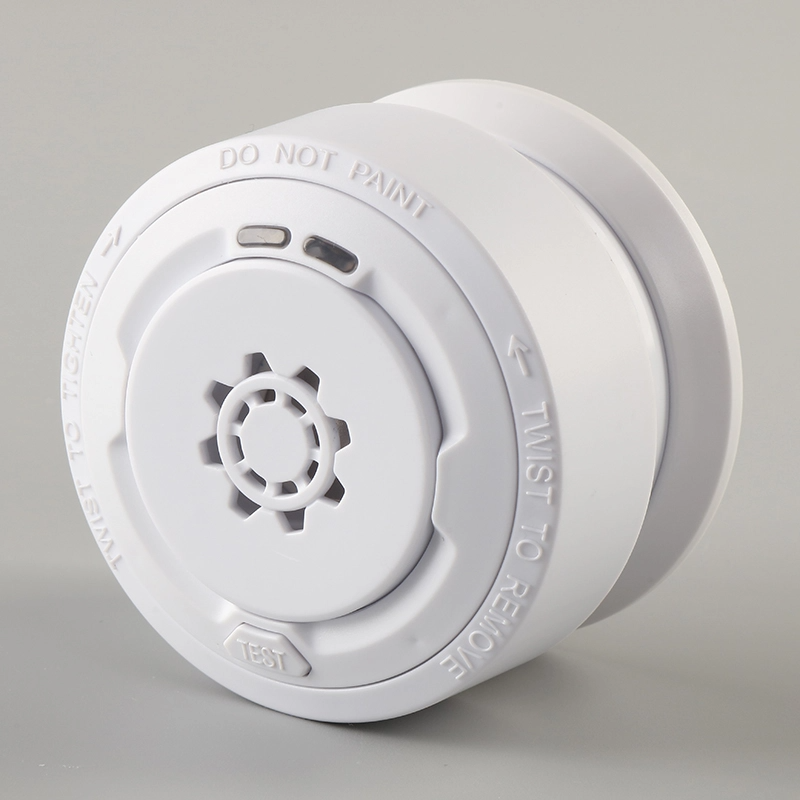
Ensuring the safety of a residential or commercial property begins with the functional integrity of fire safety equipment. Fire incidents can escalate within seconds, making the early warning provided by a high-quality smoke detector the most critical factor in saving lives and minimizing property damage. Regular testing is not merely a recommendation but a fundamental safety protocol that ensures the internal sensors and power sources are operating at peak performance levels.
To test your smoke detector, press and hold the dedicated test button until a loud, piercing siren sounds, then release it. For a comprehensive functional check, you should also use a specialized smoke simulation spray to confirm the sensor effectively detects actual particulates in the air.
Understanding the nuances of different alarm types and the specific maintenance requirements of modern safety devices is essential for any property manager or homeowner. This guide provides an exhaustive look at the technical procedures, industry standards, and professional recommendations for maintaining a robust fire detection system. By following these structured steps, you can ensure your environment remains protected against the unpredictable threat of fire.
The Importance of Regular Smoke Detector Maintenance
Step by Step Guide to Testing Your Smoke Alarm Detector
Comparing Smoke Detector and Heat Alarm Functionality
Common Troubleshooting Issues for Residential Smoke Detectors
Best Practices for Replacing Batteries and Maintenance Cycles
The Role of Interconnected Systems in Modern Fire Safety
Regular maintenance of your smoke detector ensures that the device remains sensitive to combustion particles and that its internal circuitry and power supply are fully operational during a fire emergency.
A smoke detector is a sophisticated piece of electronic equipment that operates 24 hours a day, 365 days a year. Over time, the internal components of a smoke detector can be affected by environmental factors such as dust accumulation, humidity, and battery degradation. Without consistent testing, a homeowner might remain unaware that a device has failed until a crisis occurs. Maintaining a smoke detector involves more than just a quick button press; it requires a systematic approach to cleanliness and power management.
Furthermore, the technological lifespan of a smoke detector is generally limited to ten years. After this period, the sensors within the smoke detector become less reliable due to chemical degradation or electronic wear. By performing monthly tests, users can track the performance of their smoke detector and identify when a unit is nearing the end of its functional life. This proactive approach is the cornerstone of modern fire prevention and life safety management.
The reliability of a smoke detector often hinges on the type of sensor it utilizes. Whether it is an ionization sensor or a photoelectric sensor, each smoke detector requires specific environmental conditions to function correctly. Regular maintenance allows you to clear away debris that might cause false alarms or, conversely, prevent the smoke detector from triggering when it is most needed. High-quality devices, such as those found in professional security catalogues, are designed for durability, but they still necessitate human oversight to guarantee 100% uptime.
Testing a smoke alarm detector requires a two-fold process: verifying the electronic circuitry via the test button and confirming sensor sensitivity using a simulated smoke source or a real-world smoke proxy.
The first phase of testing a smoke alarm detector involves the manual override button. When you press this button on the smoke alarm detector, it completes a circuit that mimics the presence of smoke. If the smoke alarm detector emits a sharp, loud sound, it confirms that the battery or hardwired power source is active and the siren is functional. However, it is a common misconception that the test button checks the sensor itself; in many older models, it only tests the battery and the horn.
To truly verify the efficacy of a smoke alarm detector, you must use a smoke simulation spray. These aerosol products are designed to trigger the smoke alarm detector without leaving a harmful residue on the sensing chamber. By spraying the simulated smoke toward the smoke alarm detector from a distance of two to three feet, you can observe how quickly the device reacts. This "functional test" is the gold standard for ensuring a smoke alarm detector will actually save lives during a real fire event.
During the testing process, it is vital to inform all residents or employees in the building. Since a smoke alarm detector produces a high-decibel alert, unexpected testing can cause panic. If your smoke alarm detector is part of a monitored security system, you must contact the monitoring center to put the system in "test mode" before beginning. This prevents the accidental dispatch of emergency services, which can result in significant fines and resource exhaustion for local fire departments.
While a smoke detector identifies airborne particulates from fire, a heat alarm is designed to trigger when room temperatures reach a specific threshold, typically around 58 degrees Celsius.
A smoke detector and a heat alarm serve different but complementary roles in a comprehensive fire safety strategy. A smoke detector is most effective in living areas, bedrooms, and hallways where smoldering fires may produce smoke long before high heat is generated. In contrast, a heat alarm is ideal for environments where a standard smoke detector would produce frequent false alarms, such as kitchens, garages, or dusty attics. Because a heat alarm ignores fumes and dust, it only activates when the thermal energy of a fire is undeniable.
Integrating both a smoke detector and a heat alarm into a property ensures a multi-layered defense. For instance, in a residential kitchen, a heat alarm will detect a grease fire or a stove flare-up without being triggered by burnt toast. Meanwhile, a smoke detector placed just outside the kitchen in a hallway will catch drifting smoke from other areas. The following table illustrates the key technical differences between these two critical devices:
| Feature | Smoke Detector | Heat Alarm |
| Detection Method | Optical or Ionization Sensors | Thermistor / Bimetallic Strip |
| Best Placement | Bedrooms, Living Rooms, Hallways | Kitchens, Garages, Basements |
| Trigger Source | Smoke, Steam, Dust, Aerosols | High Temperature (Fixed or Rate of Rise) |
| False Alarm Risk | Moderate (Sensitive to cooking/steam) | Very Low |
| Response Speed | Very Fast for smoldering fires | Fast for high-energy flaming fires |
Understanding these differences allows property owners to customize their safety arrays. A high-quality smoke detector should be the primary line of defense, but the strategic addition of a heat alarm prevents the annoyance of "nuisance alarms" while maintaining safety in high-risk zones. When selecting equipment from a professional provider, ensure that both the smoke detector and the heat alarm meet the latest UL or EN safety certifications to ensure maximum reliability.
Troubleshooting a smoke detector often involves resolving issues related to "chirping" sounds, which usually indicate a low battery, or frequent false alarms caused by environmental interference.
One of the most frequent complaints regarding a smoke detector is the intermittent chirping sound. This is a built-in safety feature of the smoke detector designed to alert the user that the battery voltage has dropped below a functional level. If replacing the battery does not stop the chirping, the smoke detector may be experiencing an internal processor error or may have reached its end-of-life stage. It is important to never disable a chirping smoke detector by removing the battery without immediately replacing the unit.
False alarms are another significant issue that can lead to users disconnecting their smoke detector, which is a dangerous practice. A smoke detector may trigger due to high humidity, steam from bathrooms, or even small insects crawling into the sensing chamber. To resolve this, the smoke detector should be relocated away from bathroom doors and air vents. Cleaning the smoke detector with compressed air can also remove microscopic debris that might be reflecting the internal light beam of a photoelectric smoke detector, causing it to malfunction.
In hardwired systems, a smoke detector may experience issues related to power surges or loose wiring connections. If a single smoke detector in a hardwired chain starts sounding without smoke present, it could indicate a faulty "interconnect" wire. In such cases, professional inspection of the smoke detector wiring is necessary to ensure the integrity of the entire system. Ensuring your smoke detector is installed correctly according to the manufacturer's specifications is the best way to avoid these common technical pitfalls.
Effective smoke detector management requires a scheduled replacement of 9V or lithium batteries at least once a year and a total unit replacement every ten years to ensure sensor accuracy.
The power source is the heart of any smoke detector. While many modern smoke detector models now come with 10-year sealed lithium batteries, millions of homes still rely on standard alkaline batteries. For these devices, the battery must be replaced annually. A smoke detector with a weak battery may fail to produce a sound loud enough to wake a sleeping person, rendered the smoke detector useless during the most vulnerable hours of the night.
Beyond the battery, the physical cleanliness of the smoke detector is paramount. A smoke detector works by either monitoring a light beam (photoelectric) or a small amount of radioactive material (ionization). Both methods are highly sensitive to dust. Using a soft brush attachment on a vacuum cleaner to gently remove dust from the vents of the smoke detector every six months will significantly extend the life of the device and improve its reaction time to real smoke.
The following checklist provides a structured timeline for smoke detector maintenance:
Monthly: Press the test button to check the siren and battery health.
Bi-Annually: Vacuum the exterior of the smoke detector to remove dust and cobwebs.
Annually: Replace alkaline batteries (unless using a 10-year sealed unit).
Every 10 Years: Remove the smoke detector from the wall or ceiling and replace it with a brand-new model.
Following this cycle ensures that your smoke detector remains a reliable sentinel. It is also wise to record the installation date of each smoke detector on a sticker placed on the side of the unit, allowing for a quick visual reference of when the device will expire.
Interconnected smoke detector systems provide an advanced level of protection by ensuring that if a fire is detected in a remote area, every smoke detector in the building activates simultaneously.
In larger homes or multi-story buildings, a standalone smoke detector may not be loud enough to alert someone on the top floor to a fire starting in the basement. Interconnected smoke detector systems solve this problem through either physical wiring or wireless radio frequency communication. When the basement smoke detector identifies a threat, it sends a signal to every other smoke detector in the network. This immediate, building-wide notification is critical for maximizing evacuation time.
Testing an interconnected smoke detector system requires at least two people. One person triggers the smoke detector in one room, while the second person moves through the house to verify that all other smoke detector units are sounding. If some units remain silent, there may be a break in the communication line or a wireless interference issue. This comprehensive test ensures that the "safety net" provided by the interconnected smoke detector network is fully intact.
Modern smart smoke detector units take this a step further by connecting to mobile applications. These systems allow you to monitor the status of every smoke detector in your home from your smartphone. You can receive alerts if a smoke detector triggers while you are away, and some systems even provide battery health reports. Whether using traditional hardwired units or the latest smart smoke detector technology, the goal remains the same: ensuring that every second counts when a fire is detected.
Maintaining a smoke detector is a simple yet life-saving responsibility. By understanding the differences between a smoke detector and a heat alarm, following a strict monthly testing schedule, and ensuring units are replaced every decade, you create a secure environment for yourself and others. Fire safety is not a "set it and forget it" task; it requires ongoing attention to battery health, sensor cleanliness, and system connectivity.