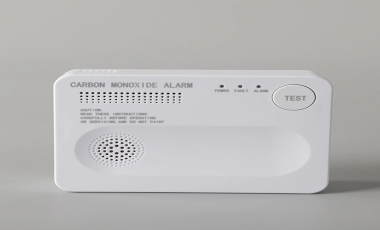
2026-02-14 To determine if your Carbon Monoxide Alarm has reached its end of life, you should check for a recurring two-beep chirp every minute, look for an "End" or "ERR" message on the digital display, and verify the manufacture date printed on the back of the unit, as most sensors expire between 7 and 10 ye
Read More 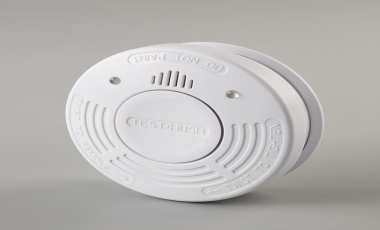
2026-02-12 A Carbon Monoxide Alarm that goes off every 30 seconds is one of the most common and most misunderstood alert patterns in homes, commercial buildings, and light industrial facilities. People often call it “beeping,” “chirping,” or “my Carbon Monoxide Alarm beeping,” but the reason behind that 30 sec
Read More 2026-02-10 When a carbon monoxide (CO) detector beeps and then stops, it can be a source of confusion and concern for homeowners. While these detectors are designed to alert you to the presence of carbon monoxide, understanding the cause behind the beeping sound and taking the appropriate steps is critical to
Read More 
2026-02-08 Carbon Monoxide Alarm remains the most critical line of defense against an invisible, odorless, and potentially lethal threat. Carbon monoxide (CO) is a byproduct of incomplete combustion, and because it cannot be detected by human senses, we rely entirely on the acoustic signals of our safety devic
Read More 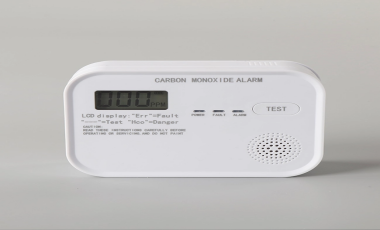
2026-02-05 Many B2B stakeholders and facility managers mistakenly believe that a standard Carbon Monoxide Alarm serves as an all-in-one solution for detecting any gaseous threat, including natural gas or propane leaks. This misunderstanding can lead to catastrophic safety lapses, as the mechanical and chemical
Read More 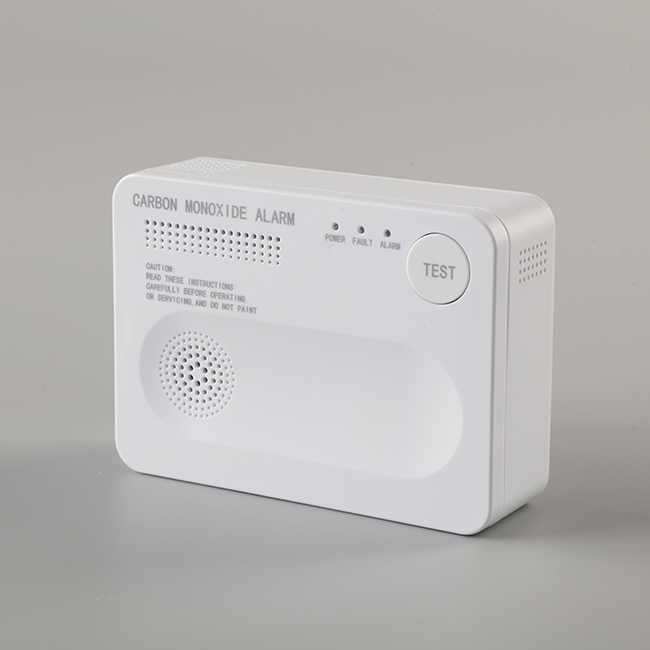
2023-12-01 Carbon monoxide alarms are an important part of a home safety plan. In the United States, the Consumer Product Safety Commission (CPSP) recommends that every home has at least one carbon monoxide alarm.Carbon monoxide is an invisible, colorless, odorless
Read More