Views: 0 Author: Site Editor Publish Time: 2026-02-10 Origin: Site


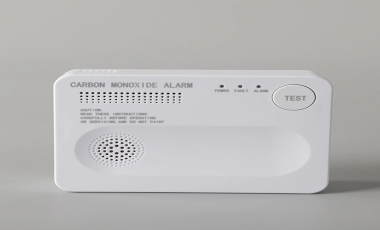
When a carbon monoxide (CO) detector beeps and then stops, it can be a source of confusion and concern for homeowners. While these detectors are designed to alert you to the presence of carbon monoxide, understanding the cause behind the beeping sound and taking the appropriate steps is critical to ensuring safety. In this article, we will explain the steps you should take if your carbon monoxide detector beeps and then stops, as well as how to maintain your detector for optimal performance.
If your carbon monoxide detector beeps and then stops, it could be due to a temporary increase in CO levels or a low battery warning. However, it's essential to take immediate action by ventilating the area, testing the detector, and checking for potential sources of CO. If the beeping recurs, seek professional assistance.
In the following sections, we will explore why your carbon monoxide detector might beep and stop, how to maintain it properly, and best practices for ensuring your home stays safe from carbon monoxide hazards.
Understanding Carbon Monoxide Detector Alerts
Maintaining Your Carbon Monoxide Detector
The beeping sound followed by a cessation can be caused by either an intermittent level of carbon monoxide or a low battery indicator. A CO alarm typically activates when the sensor detects a high level of carbon monoxide in the air, which is a dangerous situation. However, if the CO levels return to safe levels, the alarm may stop. Alternatively, a low battery warning can cause the detector to beep at intervals.
Carbon monoxide is a colorless, odorless gas that can pose a serious health risk if it accumulates in an enclosed space. It is often produced by malfunctioning appliances or poor ventilation systems. When a carbon monoxide detector detects the gas, it triggers an alarm to alert you to the danger.
Intermittent CO Levels: Sometimes, CO levels rise temporarily due to certain conditions, such as running a gas stove or using a fireplace. If the CO levels stabilize and return to normal, the alarm may stop beeping.
Low Battery Warning: If the battery in your CO detector is running low, it may emit a series of beeps. While the beeping may stop once the battery is replaced, this should not be ignored.
Malfunction: Another reason for the beeping may be that the CO detector itself is malfunctioning or its sensor is dirty. In this case, you may need to replace the device.
Ventilate the Area: If your CO detector beeps, open windows and doors to ventilate the area immediately. This will help reduce the concentration of carbon monoxide and improve the air quality in the affected area.
Leave the Premises: If the alarm continues to beep or sounds for a longer period, it is crucial to leave your home and move to an area with fresh air.
Check for Sources: After ventilating the area, inspect your home for potential sources of carbon monoxide, such as a malfunctioning heater, stove, or exhaust system.
Regular maintenance of your carbon monoxide detector is essential for ensuring that it functions properly when needed. Regularly checking the batteries, testing the detector, and cleaning the unit can prevent false alarms and ensure the device remains in good working order.
Carbon monoxide detectors are an essential part of your home’s safety system. However, like any other safety device, they require maintenance to perform optimally. Here's how you can keep your CO detector in the best condition:
Make it a habit to test your carbon monoxide detector every month to ensure it is functioning properly. Most CO detectors have a “Test” button that simulates the presence of carbon monoxide and triggers the alarm.
The batteries in your carbon monoxide detector should be replaced at least once a year. If the device emits a beeping sound at regular intervals, it could indicate that the battery needs replacing. Be sure to use the correct type of battery specified by the manufacturer.
Over time, dust and dirt can accumulate in the detector’s sensor, causing it to malfunction. To prevent this, use a soft cloth or vacuum cleaner to gently clean the exterior of the detector. Ensure that the sensor is free of debris to allow accurate readings.
Carbon monoxide detectors do not last forever. Most models have a lifespan of 5 to 7 years. After this period, the sensor may degrade, reducing the detector’s effectiveness. Be sure to check the manufacturer’s guidelines for the recommended replacement schedule.
To give you a better understanding of how other companies view carbon monoxide alarms, here are insights from various industry platforms:
Kingfilling Machine: This platform emphasizes the importance of having a well-maintained CO detector to prevent unnecessary false alarms. They suggest regular checks and ensuring the detector is in a central location for maximum effectiveness.
Carrier: According to Carrier, carbon monoxide detectors should be installed near sleeping areas to ensure everyone is alerted in case of a CO leak. They recommend testing the alarm monthly and replacing batteries every six months.
Homesmiles: This platform highlights the need for homeowners to react quickly to any CO alarm beeps, emphasizing that carbon monoxide poisoning can happen quickly without warning. They recommend an evacuation plan and regular maintenance checks for detectors.
Carbon monoxide detectors are life-saving devices, but understanding their alerts and maintaining them properly is crucial for ensuring they work when needed. If your detector beeps and then stops, follow the immediate steps outlined in this article, such as ventilating your home and inspecting for sources of carbon monoxide. Regular maintenance, including testing, cleaning, and battery replacement, will help your detector function properly and keep your home safe from carbon monoxide dangers.
By understanding how your CO detector works and maintaining it regularly, you can protect your family and ensure peace of mind in your home.