Views: 0 Author: Site Editor Publish Time: 2025-10-25 Origin: Site


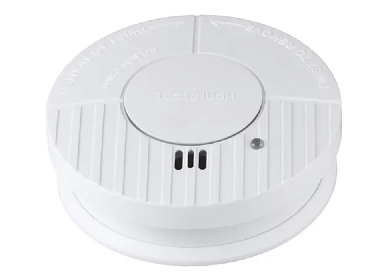
Smoke alarms are one of the most essential safety devices in any home, providing early warnings that can save lives and prevent property damage. Over the years, advancements in technology have led to the development of two main types of smoke alarm systems: traditional hardwired systems and modern wireless smoke alarms. Homeowners often face the dilemma of choosing between these two options, weighing factors such as installation, reliability, maintenance, and cost. Understanding the differences, advantages, and potential drawbacks of each system is key to making an informed decision that best suits your home and lifestyle.
Wired smoke alarm systems are the traditional choice for residential and commercial properties. They are connected directly to the building’s electrical system and often feature interconnectivity, meaning that if one alarm is triggered, all alarms in the network sound simultaneously. This interconnection is particularly beneficial in multi-story homes, providing early warnings throughout the entire property.
Wired systems are generally more robust and require less frequent battery replacement because they draw power directly from the home’s electrical supply. Many wired alarms also include a backup battery to ensure functionality during power outages. These systems are often integrated with other safety and security devices, such as fire suppression systems or home automation networks, enhancing overall home protection.
However, wired systems have certain limitations. Installation can be complex, requiring professional electricians and potential modifications to walls or ceilings to accommodate wiring. This makes them less flexible in older homes where adding electrical circuits can be difficult and expensive. Additionally, relocating or expanding a wired system often involves significant work, which can increase both cost and inconvenience.
Wireless smoke alarms operate independently of the home’s electrical wiring and rely primarily on batteries for power. These devices communicate with each other through radio signals, creating a network that provides interconnectivity similar to wired systems. When one alarm detects smoke, all connected alarms sound simultaneously, ensuring comprehensive coverage.
One of the primary advantages of wireless systems is their flexibility. They can be installed virtually anywhere in the home without the need for electrical work. This makes them ideal for older houses, rental properties, or homes undergoing renovations. Wireless alarms are also easy to expand; additional units can be added to the network without major modifications, and individual alarms can be relocated as needed.
Modern wireless smoke alarms often come with advanced features such as dual-sensor detection, combining photoelectric and ionization sensors to detect both smoldering and fast-flaming fires. Many units also offer smart connectivity, allowing homeowners to receive alerts on smartphones, monitor battery life, and track alarm activity remotely. These innovations make wireless systems not only flexible but also highly convenient for tech-savvy households.
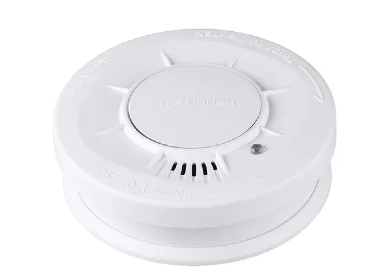
When it comes to installation, wireless smoke alarms clearly have the edge. Wired systems require professional installation, involving electrical connections, wiring, and sometimes even wall or ceiling modifications. The process can be time-consuming, costly, and disruptive to daily life.
Wireless alarms, on the other hand, can be installed quickly by homeowners with minimal tools. They do not depend on existing electrical circuits, making them suitable for a variety of home layouts, including older buildings or properties without accessible wiring. Additionally, wireless alarms can be relocated or added to the system with ease, providing flexibility that wired systems cannot match.
Reliability is a critical consideration for any smoke alarm system. Wired systems have the advantage of constant power from the home’s electrical supply, reducing the risk of battery failure. They are also often built to last, with fewer electronic components susceptible to interference.
Wireless alarms rely on batteries, which require periodic replacement to ensure continued functionality. However, many modern wireless alarms are equipped with long-life lithium batteries lasting up to ten years, and they include low-battery alerts to minimize the risk of failure. Wireless systems also include self-diagnostic features that notify homeowners if the alarm is malfunctioning. While wired systems may offer slightly higher baseline reliability, wireless systems are now highly dependable when properly maintained.
Both wired and wireless systems can provide interconnectivity between alarms, a critical feature for multi-level homes. Wired systems accomplish this through electrical connections, ensuring that an alarm triggered in one area instantly activates all other alarms. Wireless systems achieve the same result through radio signals, eliminating the need for wiring.
Wireless systems offer an advantage in terms of placement flexibility. Since there are no wiring constraints, alarms can be installed in locations that may be difficult to reach with a wired network, ensuring comprehensive coverage across the entire home. Modern wireless alarms often maintain reliable communication over hundreds of feet, making them suitable for larger properties.
Cost is often a decisive factor in choosing between wired and wireless smoke alarms. Wired systems typically have a higher upfront cost due to professional installation, wiring materials, and potential modifications to the home. Maintenance costs are generally lower because these alarms draw power from the electrical system and require fewer battery replacements.
Wireless systems usually have a lower installation cost, as no professional electrician is required and no wiring work is necessary. While batteries need to be replaced periodically, long-life models reduce this burden. The initial device cost for wireless alarms can be comparable to wired units, but the ease of installation and flexibility often justify the investment. Over time, the total cost of ownership may even be lower for wireless systems, particularly in homes where wiring installation is complex or expensive.
Modern wireless smoke alarms often include features that wired systems do not. Many wireless units combine smoke detection with carbon monoxide monitoring, offering dual protection in one device. Some alarms feature voice alerts, clearly announcing the type of hazard and reducing confusion during emergencies.
Smart connectivity is another major advantage of wireless systems. Alarms can link to smartphones or home automation systems, sending real-time notifications in case of smoke detection. Homeowners can monitor battery levels, view alarm history, and even silence false alarms remotely. These features enhance convenience and safety, providing peace of mind even when occupants are away from home.
While wired systems can also be integrated with smart home technology, doing so often requires additional installation work or specialized wiring, whereas wireless alarms offer these capabilities with minimal setup.
The choice between wireless and wired smoke alarm systems depends on the specific needs of the home and the priorities of the homeowner. Wired systems are robust, highly reliable, and ideal for new construction or major renovations where wiring can be integrated seamlessly. They require less frequent battery maintenance and are often preferred for long-term stability.
Wireless systems, however, offer unmatched flexibility, ease of installation, and adaptability. They are ideal for older homes, rental properties, or situations where installing wiring is impractical. The ability to add or relocate alarms, combined with advanced features like dual-sensor detection and smart connectivity, makes wireless systems an attractive option for modern households. For most contemporary homes, particularly those valuing convenience and scalability, wireless smoke alarms are increasingly seen as the better choice.
Both wired and wireless smoke alarm systems have their advantages, and the decision ultimately depends on the structure of the home, budget considerations, and desired features. Wired systems provide long-term reliability and lower ongoing maintenance, while wireless alarms offer flexibility, ease of installation, and advanced smart features that cater to modern lifestyles. Regardless of the type chosen, ensuring proper placement, regular testing, and timely maintenance is essential for effective fire protection.
For homeowners seeking modern solutions with convenience, adaptability, and reliable performance, wireless smoke alarms represent an excellent choice. Companies like Ningbo Kingdun Electronic Industry Co., Ltd. specialize in high-quality wireless smoke alarms, providing innovative products that combine safety, ease of installation, and advanced technology for modern homes.