Views: 0 Author: Site Editor Publish Time: 2026-02-01 Origin: Site


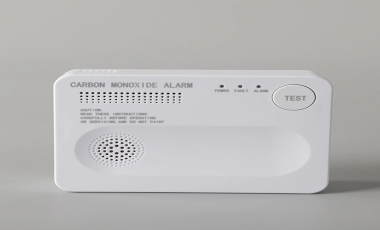
the presence of a Carbon Monoxide Alarm is not merely a recommendation but a critical life-saving necessity. Carbon monoxide (CO) is often referred to as the "silent killer" because it is a colorless, odorless, and tasteless gas that can accumulate undetected in enclosed spaces. Whether you are managing a large-scale manufacturing facility involving combustion processes or ensuring the safety of a residential property, hearing a carbon monoxide alarm beeping can be a heart-stopping moment. Understanding the difference between a low-battery chirp and a full-scale emergency alert is the first step in effective risk management and personal safety.
If your Carbon Monoxide Alarm goes off, you must immediately move to a location with fresh air—ideally outdoors—verify that every person in the building is accounted for, and call emergency services or the fire department without re-entering the premises until they have been declared safe by professionals.
The urgency of a carbon monoxide alarm beeping cannot be overstated. Because CO interferes with the blood's ability to carry oxygen, even short-term exposure at high levels can lead to permanent neurological damage or death. For businesses operating with industrial machinery or boilers, the maintenance of a Carbon Monoxide Alarm system is a cornerstone of occupational health and safety compliance. This comprehensive guide will walk you through the immediate emergency protocols, the physiological red flags of poisoning, the technical reasons behind false alerts, and the essential factors to consider when purchasing a new carbon monoxide alarm. By following these structured steps, you can ensure that a carbon monoxide alarm beeping event is handled with professional precision and maximum safety.
What to do when your carbon monoxide alarm is going off
Symptoms of carbon monoxide poisoning
What causes CO detector false alarms?
Buying a CO detector
Conclusion
When a Carbon Monoxide Alarm sounds a continuous emergency signal, you must stop what you are doing, evacuate all occupants to an outdoor area with fresh air, and contact 911 or your local emergency services immediately to investigate the source of the leak.
The moment you hear your Carbon Monoxide Alarm emitting its loud, repetitive siren, do not waste time searching for the source of the gas. Unlike a smoke alarm where you might look for flames, CO is invisible. Your immediate priority is to get everyone out. If you are in a facility with industrial equipment, do not attempt to shut down machinery if it delays your exit. If your carbon monoxide alarm beeping is a consistent, high-decibel alert, it indicates that CO levels have reached a dangerous threshold where every second of inhalation increases the risk of carbon monoxide poisoning.
Once you are safely outside, perform a head count. If anyone is missing, do not go back inside; inform the first responders the moment they arrive. Keep the doors and windows open if you were able to do so on your way out, as this helps ventilate the area, but prioritize evacuation over ventilation. While waiting for the fire department, monitor everyone for symptoms. Even if the carbon monoxide alarm beeping stops, do not assume the danger has passed. CO can settle in pockets or dissipate temporarily, only to return once the wind shifts or the HVAC system cycles.
After the emergency services have inspected the building with specialized sensors, they will inform you when it is safe to return. If they find a leak, they will likely shut off the gas supply to the offending appliance. You must then contact a qualified technician to repair the furnace, water heater, or industrial boiler before turning the system back on. A Carbon Monoxide Alarm is a precision instrument; if it has saved your life once, ensure you reset it according to the manufacturer's instructions or replace the unit if it has been exposed to extreme concentrations of gas.
The symptoms of carbon monoxide poisoning are often described as "flu-like" without the fever, typically including headaches, dizziness, weakness, upset stomach, vomiting, chest pain, and confusion that worsen the longer you stay in the environment where the Carbon Monoxide Alarm is triggered.
Recognizing the symptoms is critical because they can affect your ability to think clearly and escape. The most common early sign is a dull, throbbing headache. If multiple people in a building or facility experience a headache at the same time, and your Carbon Monoxide Alarm is silent, you should still investigate, as the carbon monoxide alarm beeping might have failed. As levels rise, victims often experience "cherry-red" skin and extreme lethargy. Because CO displaces oxygen in the bloodstream, your brain and heart are the first organs to suffer, leading to the confusion that makes the Carbon Monoxide Alarm so vital—it thinks for you when you can no longer think for yourself.
In many industrial B2B settings, workers might mistake CO symptoms for heat exhaustion or common fatigue. However, if the carbon monoxide alarm beeping begins, these symptoms must be treated as medical emergencies. Long-term exposure to low levels of CO can also cause chronic issues such as memory loss, irritability, and personality changes. This is why a Carbon Monoxide Alarm with a digital display is beneficial; it can show low-level accumulations that might not trigger a full siren but are still harmful over an eight-hour work shift.
If you suspect poisoning, medical professionals will likely administer 100% oxygen through a mask or, in severe cases, place the victim in a hyperbaric oxygen chamber. This speeds up the replacement of carboxyhemoglobin with healthy, oxygenated hemoglobin. Always inform the hospital that a Carbon Monoxide Alarm was involved so they can run a specific blood gas test. Monitoring for symptoms should continue for several hours after exposure, as some neurological effects can have a delayed onset even after the carbon monoxide alarm beeping has been addressed.
A Carbon Monoxide Alarm may trigger a false alarm due to improper placement near high-humidity areas like bathrooms, proximity to household chemicals and cleaning agents, or because the sensor has reached its expiration date and is emitting an end-of-life beeping signal.
One of the most frequent causes of a carbon monoxide alarm beeping when no gas is present is the presence of "interference gases." Strong household cleaners, hairsprays, and even high concentrations of hydrogen (sometimes found near charging industrial lead-acid batteries) can "fool" the electrochemical sensor inside the Carbon Monoxide Alarm. To minimize these events, ensure your Carbon Monoxide Alarm is located at least 15 to 20 feet away from fuel-burning appliances and high-humidity zones. Steam from a shower can sometimes condense on the sensor, causing a temporary malfunction that sounds like a true carbon monoxide alarm beeping emergency.
Another common culprit is the age of the device. Most Carbon Monoxide Alarm units have a lifespan of 5 to 10 years. After this period, the internal chemical sensor degrades and can no longer provide an accurate reading. When this happens, the device is programmed to emit a specific "end-of-life" chirp—this is a different pattern of carbon monoxide alarm beeping than the emergency siren. It is essential to check the "replace by" date on the back of your unit. If the Carbon Monoxide Alarm is past its prime, it may trigger intermittently, causing unnecessary panic or, worse, causing the user to disable the device and leave themselves unprotected.
| Sound Pattern | Possible Meaning | Required Action |
| 4 Beeps, Pause, 4 Beeps | Emergency: High CO Levels | Evacuate immediately and call 911 |
| 1 Chirp every minute | Low Battery | Replace the battery in the Carbon Monoxide Alarm |
| 2 Chirps every minute | End of Life / Malfunction | Replace the entire Carbon Monoxide Alarm unit |
| Constant Beeping | Tamper Alert / Error | Check for sensor blockage or power issues |
| Intermittent Siren | Interference Gases | Move the alarm away from bathrooms or chemicals |
When buying a Carbon Monoxide Alarm, you should look for UL-listed devices that feature an electrochemical sensor, a digital peak-level display, and a battery backup system to ensure the carbon monoxide alarm beeping will still function during a power outage.
For B2B applications and large-scale facilities, the choice of a Carbon Monoxide Alarm should prioritize connectivity. Interconnected alarms are ideal; if one unit in the basement detects gas, every Carbon Monoxide Alarm in the building will start beeping, ensuring everyone is alerted regardless of their location. You should also decide between a plug-in model and a battery-operated one. Plug-in models are convenient for continuous power, but they must have a 9V or lithium backup so that the carbon monoxide alarm beeping remains active even if the main electricity fails—a common occurrence during the winter storms that often lead to CO leaks.
The type of sensor is also a primary consideration. Electrochemical sensors are the industry standard for a modern Carbon Monoxide Alarm because they are highly accurate and have a lower power draw. If you are purchasing for a facility where CO levels might fluctuate slightly during normal operations (such as a garage), a Carbon Monoxide Alarm with a digital readout is indispensable. It allows you to see if levels are creeping up toward 30 ppm (parts per million), which might not trigger a full carbon monoxide alarm beeping alert but still suggests a need for better ventilation or equipment maintenance.
Finally, consider the brand's reputation for support and warranty. Since a Carbon Monoxide Alarm is a life-safety device, you want a manufacturer that provides clear documentation and easy-to-understand alarm patterns. Always ensure the device carries the UL 2034 or CSA 6.19 safety certification. These standards guarantee that the carbon monoxide alarm beeping will occur at specific time-weighted averages of CO concentration, preventing the device from being either too sensitive or too slow to react. Investing in a high-quality Carbon Monoxide Alarm is a small price to pay for the ultimate peace of mind in your home or workplace.
Electrochemical Sensor: Provides the highest accuracy and longest life for a Carbon Monoxide Alarm.
Digital Display: Shows the exact PPM levels, helping identify slow leaks before the carbon monoxide alarm beeping starts.
Voice Alerts: Some units will speak the danger (e.g., "Warning: Carbon Monoxide"), which is helpful for waking children or the elderly.
Interconnectivity: Ensures that if one Carbon Monoxide Alarm detects a threat, all units in the network will sound.
10-Year Sealed Battery: Eliminates the need for annual battery changes and prevents the low-battery carbon monoxide alarm beeping chirp.
A Carbon Monoxide Alarm is your most loyal guardian against a threat that cannot be seen, smelled, or heard. Whether you are dealing with a standard emergency or a confusing carbon monoxide alarm beeping in the middle of the night, the key is to stay calm and follow the established safety protocols. Evacuation is always the first priority; technical troubleshooting comes only after the safety of all occupants is guaranteed. By understanding the symptoms of poisoning and the common causes of false alerts, you can manage your environment with confidence and precision.
As we have explored through the perspectives of platforms like Safelincs and ADT, the technology behind the Carbon Monoxide Alarm has become incredibly sophisticated, offering monitored solutions that bridge the gap between detection and emergency response. In 2026, there is no excuse for a facility or home to be without this protection. Regularly testing your unit and replacing it before its expiration date ensures that when the carbon monoxide alarm beeping starts, it is a reliable signal that saves lives.
In conclusion, your Carbon Monoxide Alarm is an investment in the most valuable asset of any business or household: human life. Don't wait for a "silent" emergency to realize the importance of these devices. Maintain them, respect the alerts they give, and always prioritize fresh air. With the right Carbon Monoxide Alarm in place, you can focus on your work and your life, knowing that you are protected from the invisible.