Views: 0 Author: Site Editor Publish Time: 2026-01-11 Origin: Site


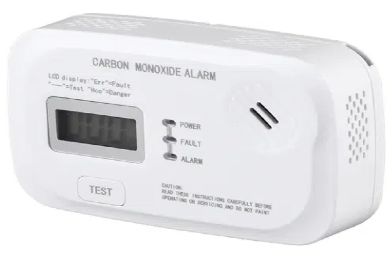
Carbon monoxide, widely known as the "silent killer," is a gas that is impossible to detect without specialized equipment because it has no color, taste, or smell. In many residential and commercial emergencies, the sounding of a Carbon Monoxide Alarm is the only warning occupants receive before the environment becomes lethal. Whether the alarm is triggered by a malfunctioning furnace, a blocked chimney, or a car left running in an attached garage, the response time of the individuals inside determines the likelihood of a safe outcome.
If your Carbon Monoxide Alarm goes off, you must immediately move to a fresh air location outdoors or by an open window, account for all household members, call emergency services (911 or the local fire department), and remain in a safe location until the building has been cleared and repaired by professionals.
In the moments following the activation of a carbon monoxide detector alarm, panic can often cloud judgment. This is why understanding the specific protocols for different types of alerts—ranging from a full-scale siren to a low-battery chirp—is essential for every homeowner. This guide provides a comprehensive breakdown of how to identify poisoning symptoms, the immediate steps to take during an alarm event, and the technical considerations for selecting the right smart carbon monoxide alarm or portable carbon monoxide alarm for your safety needs. By following these professional safety standards, you can ensure that a CO emergency remains a manageable incident rather than a tragedy.
Symptoms of Carbon Monoxide Poisoning
Industry Perspectives: Expert Advice on Alarm Responses
What Should You Do If Your CO Detector Goes Off?
Install Carbon Monoxide Detectors in Your Home
The symptoms of carbon monoxide poisoning are notoriously deceptive because they mimic the flu or common cold, typically manifesting as headaches, dizziness, nausea, breathlessness, collapse, and loss of consciousness.
When carbon monoxide enters the bloodstream, it attaches to hemoglobin much more aggressively than oxygen does. This effectively starves the body's vital organs of the oxygen they need to function. The earliest sign is often a "tension-type" headache, which many people dismiss as stress or fatigue. However, if this headache is accompanied by a sudden feeling of dizziness or a "spinning" sensation, it indicates that the brain is already struggling with oxygen deprivation. A Carbon Monoxide Alarm is designed to trigger long before these symptoms become permanent, but recognizing them is a vital secondary defense.
As exposure continues, the symptoms escalate to nausea and vomiting. Unlike a standard viral infection, CO-induced nausea does not usually come with a fever. If multiple people in the same building feel sick simultaneously, or if your pets are acting lethargic or uncoordinated, you should immediately check your carbon monoxide detector alarm status. In high concentrations, the gas causes confusion and impaired judgment, which can prevent a victim from realizing they need to leave the house. This is the stage where a smart carbon monoxide alarm is invaluable, as it can alert family members or monitoring services remotely.
In the final stages of poisoning, the victim may experience chest pain, seizures, or a complete loss of consciousness. At this point, the "cherry-red" skin color often mentioned in medical textbooks might appear, though this is usually a late-stage sign. Because CO poisoning can happen while you sleep, a Carbon Monoxide Alarm in the hallway is the only way to wake you before you slip into a coma. Whether you use a standard carbon monoxide detector alarm or carry a portable carbon monoxide alarm for travel, being aware of these physical red flags is the key to surviving a silent leak.
| CO Concentration (PPM) | Duration of Exposure | Symptoms |
| 50 PPM | 8 Hours | Maximum workplace exposure limit. |
| 200 PPM | 2-3 Hours | Mild headache, fatigue, dizziness. |
| 400 PPM | 1-2 Hours | Serious headache, life-threatening after 3 hours. |
| 800 PPM | 45 Minutes | Dizziness, nausea, convulsions; death within 2 hours. |
| 12,800 PPM | 1-3 Minutes | Death occurs almost instantly. |
Professional safety platforms and security organizations offer distinct viewpoints on how to handle the beeps and sirens of a Carbon Monoxide Alarm to ensure public safety.
To provide a comprehensive understanding of emergency management, we have summarized the viewpoints of leading industry players regarding the activation of a Carbon Monoxide Alarm.
First Alert Platform: This safety-focused source emphasizes the importance of the T4 sound pattern. Their view is that users must distinguish between the "four beeps" of a Carbon Monoxide Alarm and the "three beeps" of a smoke detector. They argue that the most critical mistake people make is silencing the carbon monoxide detector alarm and staying inside to "look for the leak." Their protocol is simple: never assume it is a false alarm; treat every four-beep siren as a life-threatening event until proven otherwise by the fire department.
ADT Platform: This security monitoring platform focuses on the integration of the smart carbon monoxide alarm within a broader home security ecosystem. Their perspective is that a professional monitoring service adds a layer of protection that a standalone carbon monoxide detector alarm cannot. When a smart carbon monoxide alarm goes off, the monitoring center can automatically dispatch emergency services, which is vital if the occupants are already incapacitated by gas. They also highlight that a "chirping" sound usually indicates a low battery or end-of-life signal, not an emergency.
Kingdun Safety Standards: From a manufacturing standpoint, the focus is on sensor accuracy and the reliability of the portable carbon monoxide alarm. Their data suggests that electrochemical sensors are the only way to ensure 100% accuracy in detecting CO. They advocate for users to have at least one Carbon Monoxide Alarm on every floor. Their technical stance is that if a carbon monoxide detector alarm sounds, it has detected a specific concentration over a specific time, and the chemical reaction in the sensor is undeniable proof of a hazard.
The moment your Carbon Monoxide Alarm sounds a continuous siren, you must immediately stop what you are doing, evacuate all people and pets to the outdoors, and call 911 from a safe location.
When the carbon monoxide detector alarm activates its emergency signal—typically four loud beeps followed by five seconds of silence—it means the sensor has reached its threshold. Do not stop to open windows or "air out" the house before leaving. While fresh air is good, staying inside to open windows increases your exposure time to the toxin. Your only priority is to reach a fresh air location. If you are using a smart carbon monoxide alarm, it may be sending alerts to your phone; ignore the phone until you are safely outside.
Once you are outside, perform a head count. If anyone is missing or if anyone is exhibiting the symptoms of poisoning, inform the emergency operator immediately so they can send paramedics along with the fire department. Do not re-enter the home for any reason. Even if the Carbon Monoxide Alarm stops beeping, the gas may still be present in pockets or the sensor may have become saturated. Only a fire official with a professional grade portable carbon monoxide alarm or a multi-gas meter can certify that the air is safe for re-entry.
After the fire department has cleared the building, your next step is to call a qualified technician to inspect your fuel-burning appliances. A carbon monoxide detector alarm often goes off because of a cracked heat exchanger in a furnace or a blocked flue in a water heater. Do not turn these appliances back on until they have been repaired. If you were using a portable carbon monoxide alarm while camping or in an RV and it went off, discontinue the use of your portable heater or stove immediately and have the equipment checked for leaks or improper combustion.
Silence is NOT an option: Never ignore the siren.
Evacuate: Move everyone to a fresh air location immediately.
Call for Help: Dial 911 or your local emergency number.
Stay Out: Do not re-enter until an official "all-clear" is given.
Investigate: Have a professional inspect all gas/fuel appliances.
Proper installation involves placing a Carbon Monoxide Alarm on every level of the home, specifically near sleeping areas and attached garages, to ensure the loudest possible warning during the night.
The effectiveness of a carbon monoxide detector alarm is largely determined by its placement. Because CO is slightly lighter than air and tends to diffuse evenly, you don't necessarily need to put it on the ceiling like a smoke detector, but placing it at eye level or higher is generally recommended to keep the sensor away from dust and pet dander. For a smart carbon monoxide alarm, ensure it is within range of your Wi-Fi router so you can receive remote alerts. Every bedroom hallway needs a Carbon Monoxide Alarm to ensure the 85-decibel siren can penetrate through closed doors and wake sleepers.
When installing your carbon monoxide detector alarm, avoid "dead air" spaces like corners or areas directly behind curtains. You should also keep the Carbon Monoxide Alarm at least 15 feet away from heating or cooking appliances. This prevents "nuisance alarms" caused by the tiny, harmless amounts of CO produced when a gas stove or furnace first clicks on. If you live in a multi-story house, an interconnected smart carbon monoxide alarm system is the gold standard, as it ensures that an alert in the basement is heard in the master bedroom on the third floor.
Finally, consider your lifestyle needs. If you travel frequently or live in an RV, a portable carbon monoxide alarm is a mandatory safety item. These battery-operated units provide the same high-level protection as a permanent carbon monoxide detector alarm but can be moved to wherever you are sleeping. Regardless of the model, ensure the device is UL-listed and has a clear end-of-life signal. Most Carbon Monoxide Alarm units last between 7 and 10 years; if yours is older, it must be replaced to ensure the electrochemical sensor remains reactive to the "silent killer."
The activation of a Carbon Monoxide Alarm should always be treated as a high-priority emergency. By recognizing the symptoms of poisoning—such as headaches and dizziness—and following the immediate evacuation procedures, you can protect your family from the devastating effects of this invisible gas. Whether you are alerted by a traditional carbon monoxide detector alarm, a high-tech smart carbon monoxide alarm, or a portable carbon monoxide alarm, the response remains the same: fresh air first, professional inspection second.
Maintaining a network of functioning Carbon Monoxide Alarm units is a fundamental responsibility of home ownership. Regular testing, timely battery replacement, and professional appliance maintenance are the pillars of a CO-safe home. By understanding what to do when the alarm sounds, you transform a potentially fatal threat into a manageable safety event. Stay vigilant, listen for the beeps, and always prioritize the health of your household by keeping your detection technology up to date.