Views: 0 Author: Site Editor Publish Time: 2025-10-20 Origin: Site


Ensuring the safety of your home and family is a top priority, and smoke alarms are one of the most crucial tools for achieving this. Fires can occur unexpectedly, and early detection can mean the difference between a minor incident and a catastrophic loss. In recent years, wireless smoke alarms have become increasingly popular due to their flexibility, ease of installation, and advanced features. Choosing the right wireless smoke alarm, however, requires careful consideration to ensure reliability, convenience, and long-term safety. This guide provides detailed tips for selecting the best wireless smoke alarm for your home, helping you make an informed decision.
Before selecting a wireless smoke alarm, it is essential to understand how these devices operate. Unlike traditional hardwired smoke alarms, wireless units are powered by batteries and communicate with each other through radio signals. This interconnectivity ensures that if one alarm detects smoke, all other alarms in the network will sound simultaneously, providing comprehensive coverage throughout the home.
Wireless smoke alarms typically use either photoelectric sensors, which detect slow-smoldering fires, or ionization sensors, which are more sensitive to fast-flaming fires. Some models combine both sensor types, offering dual-sensor detection for improved safety. Understanding these sensor types helps homeowners choose alarms that best suit their household environment and potential fire risks.
Selecting the right sensor type is crucial for effective fire detection. Photoelectric sensors are ideal for areas like living rooms, bedrooms, and hallways where smoldering fires may occur slowly, producing smoke before flames appear. These sensors are less likely to trigger false alarms from cooking smoke or steam, making them suitable for residential environments.
Ionization sensors, on the other hand, are more responsive to fast-flaming fires, such as those caused by paper, electrical faults, or flammable liquids. While highly sensitive, ionization alarms may be prone to false alarms in kitchens or bathrooms. For optimal protection, many modern wireless smoke alarms combine both sensor types, ensuring early detection of both slow-smoldering and fast-flaming fires.
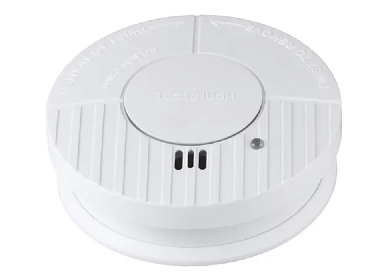
One of the most valuable features of wireless smoke alarms is interconnectivity. This means that when one alarm detects smoke, all connected alarms will sound, alerting everyone in the home. Interconnectivity is especially important in multi-story homes or large properties where a fire in one area may not be immediately heard in distant rooms.
When choosing a wireless system, ensure that the alarms can communicate reliably over the distance and layout of your home. Some alarms offer advanced mesh networking that allows devices to maintain strong signals even through walls or multiple floors. This feature ensures that your entire home is covered, providing early warnings no matter where a fire starts.
Wireless smoke alarms rely on batteries for operation, so understanding the power source and expected battery life is essential. Many modern units feature long-life lithium batteries that can last up to ten years, reducing the need for frequent replacements. Some alarms include low-battery alerts, ensuring that you are notified well in advance before the battery dies.
For homes with limited maintenance access or where regular battery replacement may be inconvenient, sealed long-life alarms are an excellent option. These alarms provide continuous protection without the need for frequent attention, offering peace of mind for busy households.
Safety certifications are a critical factor when selecting a wireless smoke alarm. In the United States, look for UL 217 certification, which ensures the alarm has been rigorously tested for sensitivity, alarm audibility, and reliability. In other countries, similar standards exist, such as BS EN 14604 in the United Kingdom. Certified alarms give homeowners confidence that the device will perform effectively during a real fire event, reducing the risk of false alarms or missed detections.
Certification also indicates compliance with local building codes and insurance requirements, which may be relevant for home resale or property coverage. Always verify that the wireless smoke alarm you choose meets recognized safety standards.
Modern wireless smoke alarms often include smart features that enhance convenience and safety. Many alarms can connect to smartphones or home automation systems, sending real-time alerts if smoke is detected. This capability is especially valuable for homeowners who travel frequently or want to monitor multiple properties remotely.
Some smart alarms also allow you to silence false alarms, monitor battery status, and track historical alarm events through a mobile app. Integration with other smart devices, such as lighting systems or security cameras, can further improve safety by triggering automated responses during emergencies. While not essential for basic fire protection, smart features add significant value for tech-savvy homeowners seeking comprehensive control and peace of mind.
The effectiveness of a smoke alarm depends on its ability to alert occupants immediately. Look for alarms that emit a loud, clear sound, typically at least 85 decibels at ten feet. Some alarms also include voice alerts that specify the hazard type, such as “Fire detected” or “Carbon monoxide detected” in combination units. This reduces confusion and helps occupants respond quickly.
In multi-story homes, ensure that alarms can be heard in all areas. Wireless alarms with interconnectivity and adjustable volume settings can provide consistent coverage, ensuring that everyone is alerted regardless of their location in the home.
Ease of installation is one of the main advantages of wireless smoke alarms. Most units can be mounted on ceilings or walls using screws or adhesive pads, without requiring electrical work. Some alarms also allow for quick relocation if room layouts change or if additional coverage is needed.
Maintenance is equally important. Look for alarms with accessible battery compartments and self-diagnostic features that alert you to malfunctions. Regular testing, usually with a dedicated “Test” button, ensures that the device is operational. Cleaning the alarm to remove dust or debris is essential for maintaining sensitivity and reducing false alarms. Wireless smoke alarms are generally low-maintenance compared to wired systems, making them ideal for busy households.
While cost should not be the only consideration, it is an important factor. High-end wireless alarms may include dual-sensor detection, smart connectivity, voice alerts, and long-life batteries, offering comprehensive protection and convenience. Basic models may be less expensive but still provide reliable smoke detection and interconnectivity.
When evaluating cost, consider both the initial price and long-term benefits. Investing in a high-quality alarm may reduce maintenance efforts, prevent false alarms, and ensure faster detection during an emergency. Ultimately, the goal is to select a device that balances affordability, reliability, and essential safety features.
Choosing the best wireless smoke alarm also involves planning the number and placement of units. Install alarms in all bedrooms, outside sleeping areas, in hallways, and on every level of the home. For larger homes, consider multiple units per floor to ensure comprehensive coverage. Placement should avoid areas with excessive humidity, such as bathrooms, and locations near cooking appliances that may trigger false alarms. Proper planning ensures that the system provides early warnings in all areas of the home.
Selecting the right wireless smoke alarm is essential for ensuring the safety of your home and family. Key considerations include sensor type, interconnectivity, battery life, certification, alarm volume, ease of installation, smart features, and overall coverage. By carefully evaluating these factors, homeowners can choose a system that provides reliable, comprehensive protection while offering convenience and peace of mind.
Wireless smoke alarms combine flexibility, advanced technology, and dependable performance, making them an excellent choice for modern homes. Companies such as Ningbo Kingdun Electronic Industry Co., Ltd. specialize in high-quality wireless smoke alarms, offering products that meet rigorous safety standards and provide innovative features to protect families and property. Investing in a reliable wireless smoke alarm system is a proactive step toward ensuring long-term home safety and security.