Views: 0 Author: Site Editor Publish Time: 2025-10-30 Origin: Site


Smoke alarms are a fundamental component of home safety, providing early warnings that can save lives and minimize property damage in the event of a fire. Traditionally, smoke alarms have relied on hardwired connections to power and interconnectivity, which often require professional installation and extensive wiring. However, with advances in technology, wireless smoke alarms have emerged as a modern, flexible, and reliable solution for homeowners. These devices offer a range of advantages that make them increasingly popular in contemporary residential settings. This article explores the benefits of using wireless smoke alarms in modern homes and explains why they are a practical investment for safety, convenience, and peace of mind.
One of the most significant advantages of wireless smoke alarms is their flexible installation. Unlike traditional hardwired alarms, wireless units do not require complex electrical work or connections to the home’s power system. This allows homeowners to place alarms wherever they are needed most, such as in bedrooms, hallways, living rooms, or basements, without being restricted by wiring limitations.
Wireless alarms are especially useful in older homes, where installing hardwired systems can be challenging or expensive. Battery-powered wireless smoke alarms can be mounted on ceilings or walls using simple screws or adhesive mounts. Their mobility also allows homeowners to relocate alarms if room layouts change or renovations occur, ensuring continued protection without additional electrical work.
Modern wireless smoke alarms are designed to communicate with each other using radio signals. When one alarm detects smoke, it can trigger all other connected alarms in the home simultaneously. This interconnected feature significantly improves safety, ensuring that occupants receive alerts no matter where they are.
For example, in a multi-story home, a smoke alarm triggered in the kitchen can activate alarms in upstairs bedrooms, providing critical early warning to sleeping family members. This capability is achieved without the need for physical wiring between devices, making it simpler to maintain and expand the system. The wireless interconnectivity also supports modular installations, allowing homeowners to start with a few alarms and gradually add more units over time.
Installing wireless smoke alarms is generally faster and less intrusive than installing hardwired systems. Since there is no need to run wires or involve electrical circuits, homeowners can complete installation in a matter of minutes. This ease of installation reduces costs associated with professional services and minimizes disruption to daily life.
Maintenance is also simplified. Wireless smoke alarms are typically battery-powered, and many units feature long-life lithium batteries that can last up to ten years. This reduces the need for frequent battery replacements, a common inconvenience with traditional alarms. Some models include low-battery alerts and self-diagnostic features that notify homeowners when maintenance is needed, ensuring the system remains reliable over time.
Wireless smoke alarms often come with advanced safety features that improve their effectiveness compared to basic models. Many units include a combination of photoelectric and ionization sensors, allowing them to detect both slow-smoldering fires and fast-flaming fires. This dual-sensor approach increases the likelihood of early detection, reducing response time and improving chances of safely evacuating occupants.
Additional features in modern wireless alarms may include voice alerts, which clearly state the type of hazard, such as “Fire detected” or “Carbon monoxide detected” in combination units. Some devices also have peak memory functions, recording the highest level of smoke detected, which helps identify potential fire hazards or recurring smoke issues in the home. These innovations make wireless smoke alarms more versatile and reliable than traditional single-function alarms.
Another major advantage of wireless smoke alarms is their compatibility with smart home technology. Many modern units can connect to home automation systems, smartphones, or cloud-based apps. This allows homeowners to receive real-time notifications if smoke is detected, even when they are away from home.
Smart integrations also provide additional convenience, such as the ability to silence false alarms remotely, monitor battery life, and view historical data on smoke or CO events. Some systems even allow alarms to communicate with other smart devices, like security cameras or lighting systems, enabling automated responses such as turning on lights to guide occupants safely during an emergency. This level of connectivity enhances both safety and convenience, offering homeowners greater control over their household environment.
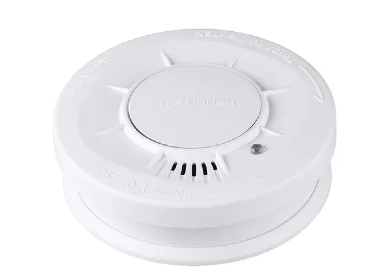
Wireless smoke alarms offer portability, which is especially useful for people who move frequently or live in rental properties. Since they do not require permanent wiring, alarms can be removed and reinstalled in a new location without significant effort or cost. This adaptability also makes wireless alarms ideal for temporary setups, such as vacation homes, dormitories, or mobile homes, where traditional wired alarms may not be feasible.
The flexibility of wireless systems extends to future-proofing a home. If rooms are repurposed or layouts are modified, alarms can be repositioned or additional units added without major renovations. This ensures continuous protection as living spaces evolve over time.
Because wireless smoke alarms operate independently of the home’s electrical system, they are less susceptible to power outages or electrical malfunctions. In traditional hardwired systems, a power failure can temporarily disable alarms unless they have backup batteries. Wireless units, being battery-powered, continue to operate reliably even during outages, ensuring uninterrupted protection.
Furthermore, the absence of complex wiring reduces the risk of installation errors that could compromise system reliability. Homeowners can have confidence that wireless alarms will function as intended, providing consistent early warning during emergencies.
While wireless smoke alarms may have a slightly higher initial cost compared to basic hardwired models, they can be more cost-effective over time. The simplified installation process reduces labor costs, and the long-life batteries reduce ongoing maintenance expenses. Additionally, the ability to expand or relocate the system without rewiring minimizes future costs associated with home modifications or renovations.
Considering the enhanced safety, convenience, and adaptability they provide, wireless smoke alarms offer significant value. The investment in a modern wireless system is justified by the peace of mind and protection it delivers to families and property.
Reliable wireless smoke alarms meet international and national safety standards, such as UL 217 in the United States or BS EN 14604 in the United Kingdom. Compliance ensures that the alarm has been rigorously tested for detection sensitivity, alarm audibility, battery reliability, and overall performance. By choosing certified devices, homeowners can be confident that their alarms are capable of providing effective protection in real-life fire scenarios.
Wireless smoke alarms represent a significant advancement in home safety technology, offering numerous advantages over traditional hardwired systems. Their flexible installation, wireless interconnectivity, easy maintenance, advanced sensor capabilities, and smart home integration make them ideally suited for modern residential environments. These alarms provide consistent, reliable protection, even during power outages, and can adapt to changing household layouts or future needs.
Beyond convenience, wireless smoke alarms enhance safety through faster detection, clearer alerts, and seamless communication between devices. They are particularly valuable in multi-story homes, rental properties, and smart home environments where flexibility and mobility are essential.
Investing in wireless smoke alarms is more than a technological upgrade; it is a proactive measure to safeguard lives, reduce property damage, and ensure peace of mind. In a world where home safety is paramount, wireless smoke alarms offer modern homeowners a practical, reliable, and adaptable solution to protect their families and homes from the dangers of fire.