Views: 0 Author: Site Editor Publish Time: 2025-10-28 Origin: Site


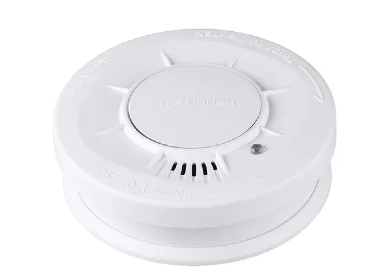
Smoke alarms are an essential component of home safety, providing early warnings of fire hazards that can save lives and reduce property damage. In recent years, wireless smoke alarms have become increasingly popular due to their flexibility, ease of installation, and modern features. Unlike traditional hardwired alarms, wireless units do not require complex electrical connections, making them a convenient solution for homeowners of all experience levels. This guide will walk you through the process of selecting, installing, and maintaining wireless smoke alarms in a simple, step-by-step manner, ensuring your home remains safe and protected.
Before beginning installation, it is important to understand how wireless smoke alarms function. These devices typically operate on batteries, which power both the smoke detection sensor and the alarm system. Many modern units are also equipped with radio communication, allowing multiple alarms to interconnect wirelessly. This means that if one alarm detects smoke, all connected alarms in the home will sound simultaneously, providing comprehensive warning regardless of location.
Wireless smoke alarms may use different types of sensors. Photoelectric sensors are ideal for detecting slow, smoldering fires, while ionization sensors respond more quickly to fast-flaming fires. Some alarms combine both sensor types, offering more complete protection. Understanding your alarm’s sensor type will help you determine the best placement and usage for maximum safety.
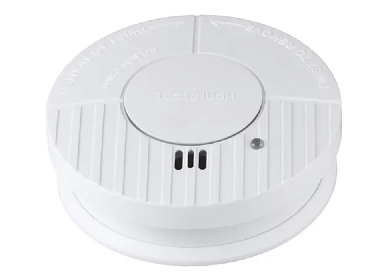
Proper placement of smoke alarms is critical for effective performance. Wireless alarms offer flexibility, but there are still recommended guidelines to ensure optimal coverage. Install alarms in every bedroom, outside sleeping areas, and on every level of the home, including basements. For larger homes, it may be necessary to install multiple alarms on each floor.
Avoid placing alarms near windows, vents, or areas with high humidity, such as bathrooms, as these conditions can interfere with accurate detection. Keep alarms at least 10 to 15 feet away from cooking appliances to minimize false alarms caused by normal cooking smoke. Ceiling installation is generally preferred, as smoke rises, but wall mounting can also be acceptable if recommended by the manufacturer.
One of the advantages of wireless smoke alarms is that they require minimal tools for installation. In most cases, you will need:
A screwdriver for mounting the alarm base
Screws and wall anchors (usually included with the alarm)
A ladder or step stool to reach the ceiling or high wall areas
A measuring tape to ensure proper placement and spacing
Since wireless alarms are battery-powered, there is no need for electrical wiring or drilling near electrical outlets, simplifying the process and reducing installation time.
Before mounting the alarm, unpack it carefully and read the manufacturer’s instructions. Most alarms come with batteries pre-installed, but it is a good idea to test the device using the “Test” button to confirm that it functions correctly. The alarm should sound loudly, indicating that both the sensor and battery are working properly. If the alarm does not sound, replace the batteries and retest.
Using a pencil, mark the spots where you will install the alarm base. Ensure that the chosen locations follow safety guidelines and manufacturer recommendations. If installing multiple alarms for interconnectivity, make sure each unit is within the communication range specified by the manufacturer, typically several hundred feet in open areas.
Attach the alarm base to the ceiling or wall using the provided screws and anchors. For ceilings, center the base in the room or hallway for optimal smoke detection. If wall-mounting, position the base 4 to 12 inches below the ceiling. Tighten the screws securely but avoid overtightening, which could damage the base or mounting surface.
Once the base is secured, attach the alarm unit according to the manufacturer’s instructions. Most wireless alarms simply twist or click into place. Ensure the device is firmly attached and aligned properly so it can detect smoke effectively.
If installing multiple wireless alarms, test the interconnectivity feature. Press the “Test” button on one alarm and confirm that all connected alarms sound simultaneously. This step ensures that the system will provide comprehensive warnings in the event of a fire. Some alarms may require synchronization during setup, which is usually explained in the instruction manual.
After installation, test each alarm individually to verify that it functions correctly. Walk through the house and ensure that each alarm is audible from all areas, particularly bedrooms and common spaces. Adjust the placement if necessary to maximize coverage and minimize potential dead zones.
Regular maintenance is essential to ensure that wireless smoke alarms continue to function reliably. Press the “Test” button on each alarm at least once a month to verify that the battery and sensor are operational. For battery-powered units, replace batteries according to manufacturer recommendations, even if the low-battery indicator has not activated.
Keep the alarm clean by gently vacuuming or using a soft brush to remove dust or debris from vents. Avoid using water or cleaning agents, as these can damage the sensor. Some alarms feature self-diagnostic systems that alert you if maintenance is needed or if a fault is detected. Always respond promptly to these alerts to maintain safety.
Wireless smoke alarms are generally easy to use, but occasional issues may arise. False alarms can occur due to cooking smoke, steam, or dust. To minimize these occurrences, ensure that alarms are installed away from kitchens and bathrooms and clean the units regularly.
If an alarm fails to sound during testing, check the battery and ensure the device is properly attached to its base. Interconnectivity problems can often be resolved by re-syncing the units according to the manufacturer’s instructions. In the event of persistent malfunctions, consult the user manual or contact customer support.
Wireless smoke alarms offer numerous benefits over traditional hardwired systems. They are flexible, easy to install, and do not require professional electrical work, making them ideal for older homes or rental properties. Interconnectivity ensures that alarms communicate effectively, providing early warnings throughout the home. The combination of photoelectric and ionization sensors enhances detection capabilities, while battery-powered operation ensures continuous protection even during power outages. Smart home integration, voice alerts, and long-life batteries further improve convenience, reliability, and safety.
Installing wireless smoke alarms in your home is a practical, effective way to enhance safety and protect your loved ones. Their flexible placement, simple installation, interconnectivity, and advanced features make them ideally suited for modern residential settings. By following this guide, homeowners can install and maintain their alarms efficiently, ensuring early detection of fire hazards and reliable performance over time.
Regular testing, proper placement, and routine maintenance are essential to keep the alarms functioning at peak performance. Wireless smoke alarms are more than just a technological convenience—they are a critical investment in the safety, security, and peace of mind of everyone in the household.