Views: 0 Author: Site Editor Publish Time: 2026-01-09 Origin: Site


Carbon monoxide is a pervasive yet invisible threat that claims hundreds of lives annually and hospitalizes thousands more due to its colorless, odorless, and tasteless properties. Often called the silent killer, this toxic gas is produced whenever fuel is burned in an environment with insufficient oxygen. In recent years, the advancement of detection technology has made it possible for homeowners and business operators to monitor indoor air quality with high precision, yet many people remain unaware of the critical nuances involved in maintaining a safe environment.
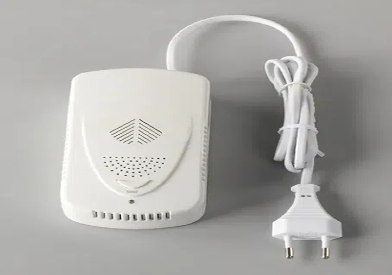
A Carbon Monoxide Alarm is a life saving electronic device equipped with an electrochemical sensor designed to detect toxic CO gas levels and sound a loud 85 decibel siren to alert occupants before they succumb to poisoning, making it the only reliable defense against this undetectable threat in any building that utilizes fuel burning appliances.
As safety regulations evolve, understanding the functionality, placement, and maintenance of these devices has become a priority for property managers and families alike. Whether you are considering a standard carbon monoxide detector alarm, a high-tech smart carbon monoxide alarm, or a portable carbon monoxide alarm for travel, knowing the fundamental principles of CO safety is essential. This guide covers the seven most critical aspects of these devices to ensure your home or workplace remains a safe haven from this invisible danger.
What does a carbon monoxide detector do?
What are the main sources of carbon monoxide in a home?
Where should you install carbon monoxide detectors?
Industry Perspectives: Expert Insights on CO Protection
Where should you place carbon monoxide detectors in each room?
Why is my carbon monoxide detector beeping?
How to test your carbon monoxide detectors to ensure they are working properly?
How often should carbon monoxide detectors be replaced?
A Carbon Monoxide Alarm continuously monitors the air for the presence of CO molecules using an internal electrochemical sensor that triggers a chemical reaction to generate an electrical current, which activates a high decibel siren once specific concentration thresholds are met over time.
The primary function of a carbon monoxide detector alarm is to act as a surrogate for human senses, which are incapable of perceiving CO gas. Unlike smoke, which rises and is often visible or smellable, carbon monoxide is roughly the same density as air and can build up without any physical warning. The sensor inside a Carbon Monoxide Alarm is calibrated to a "time weighted average" (TWA). This means it won't necessarily sound for a tiny, harmless spike in CO, but it will react immediately to high concentrations or steadily increasing low levels that could be harmful over several hours.
In the modern market, a smart carbon monoxide alarm offers enhanced functionality compared to traditional models. These devices can connect to a Wi-Fi network to send push notifications to your smartphone, providing peace of mind even when you are away from home. This is particularly useful for protecting pets or elderly family members who may not be able to react to a local siren. For those on the move, a portable carbon monoxide alarm provides similar detection capabilities in a compact, battery-operated form factor suitable for hotel rooms or recreational vehicles.
Technically, the Carbon Monoxide Alarm works through a redox reaction. When CO enters the sensor chamber, it is oxidized to carbon dioxide at the sensing electrode. This reaction releases electrons, creating a current proportional to the gas concentration. The integrated circuit in the carbon monoxide detector alarm analyzes this current and determines if it exceeds safety limits set by international standards like UL 2034 or EN 50291. This precision ensures that the Carbon Monoxide Alarm is a reliable and scientific tool for life safety.
The main sources of carbon monoxide in a residential setting are fuel burning appliances that use gas, oil, coal, or wood, including furnaces, water heaters, gas ranges, fireplaces, and internal combustion engines in attached garages.
Every appliance that relies on combustion has the potential to produce CO if it is not venting properly or if the fuel is not burning completely. A furnace with a cracked heat exchanger is a common culprit, as it can leak CO directly into the air being circulated through the home's vents. This is why having a Carbon Monoxide Alarm near the furnace room and in living areas is vital. Similarly, gas water heaters can back-draft if the flue is blocked by debris or bird nests, pushing toxic gas back into the basement or utility closet where a carbon monoxide detector alarm should be present.
Kitchen appliances, particularly gas stoves and ovens, are also significant sources. While they are generally safe for cooking, using them for extended periods or for heating a room can deplete oxygen and increase CO levels. In such cases, a smart carbon monoxide alarm can be helpful as it often provides a digital readout of low-level CO accumulation that might not trigger a full siren but still indicates a need for better ventilation. Fireplaces and wood stoves are additional sources; if the damper is not open or the chimney is dirty, the smoke and gas will enter the room instead of exiting through the roof.
Finally, the garage represents a major hazard. Running a car, lawnmower, or generator inside an attached garage can lead to lethal CO levels that seep through the walls and doors into the main house. Because of this risk, many safety experts recommend keeping a portable carbon monoxide alarm in vehicles or workshops. The combination of various sources makes the Carbon Monoxide Alarm an indispensable shield, as it covers the mechanical failures of all these different systems simultaneously.
For maximum safety, a Carbon Monoxide Alarm should be installed on every level of the home, including the basement, and specifically placed in the hallway outside of every separate sleeping area to ensure the siren can be heard by those who are asleep.
The strategic placement of a carbon monoxide detector alarm is just as important as the device itself. Since the goal is to wake people up before they are overcome by gas, the immediate vicinity of bedrooms is the priority. If your home is large, a single Carbon Monoxide Alarm in the basement will not be sufficient to alert someone on the second floor. Modern building codes often require interconnected smart carbon monoxide alarm units so that if one detects gas in the utility room, every unit in the house sounds the alert.
It is also recommended to install a Carbon Monoxide Alarm in or near attached garages. Carbon monoxide can easily bypass standard doors and enter the living space. By placing a carbon monoxide detector alarm near the door leading from the garage to the house, you get an early warning if a vehicle has been left running. For travelers, the "where" is equally important; a portable carbon monoxide alarm should be placed on a bedside table in a hotel or inside a tent if using a portable heater, as these environments often lack permanent detection.
The basement is another essential zone, particularly if it houses the furnace and water heater. However, you should avoid placing the Carbon Monoxide Alarm directly next to these appliances. A distance of 15 to 20 feet is ideal to prevent "nuisance alarms" caused by tiny, non-hazardous amounts of CO released during the initial startup of a furnace. By spreading your carbon monoxide detector alarm units across these key zones, you create a comprehensive net of protection that monitors all potential entry and accumulation points of the gas.
Different organizations emphasize various aspects of CO safety, from the technical specifications of sensors to the behavioral habits of homeowners in response to alarms.
To provide a well-rounded view, we look at the insights from leading safety platforms regarding the best use of a Carbon Monoxide Alarm.
X-Sense Platform: This platform focuses on the benefits of modern technology, specifically the smart carbon monoxide alarm. They argue that the integration of Wi-Fi allows for a much faster response time, especially for multi-property owners. Their perspective is that the 10-year sealed battery is the current industry standard, as it eliminates the risk of a carbon monoxide detector alarm being disabled by someone removing the battery to stop a low-power chirp.
First Alert Platform: As a pioneer in home safety, this source emphasizes the importance of the T4 alarm pattern (four beeps and a pause). Their viewpoint is that public education on the specific sounds of a Carbon Monoxide Alarm is the most effective way to reduce fatalities. They also strongly advocate for the use of a portable carbon monoxide alarm for anyone who travels, noting that many holiday rentals do not have the same strict safety requirements as permanent residences.
Kingdun Safety Standards: This manufacturing-focused viewpoint stresses the importance of electrochemical sensor purity. Their data suggests that high-quality carbon monoxide detector alarm units must be able to withstand environmental fluctuations, such as high humidity or temperature changes, without losing sensitivity. They advocate for rigorous testing of every Carbon Monoxide Alarm before it leaves the factory to ensure it meets the strict PPM (parts per million) response curves required for life safety.
Within an individual room, a Carbon Monoxide Alarm should be placed on the wall at least five feet above the floor or on the ceiling, ensuring it is at least six inches away from corners and not obstructed by furniture or curtains.
A common question is whether a carbon monoxide detector alarm should be high or low. Unlike smoke, which is hot and rises rapidly, CO is mixed with the air and can be found at any level. However, most manufacturers suggest a higher placement (eye level or higher) because the sensors in a Carbon Monoxide Alarm are sensitive to dust and pet dander which settle near the floor. Placing the carbon monoxide detector alarm at a height of five feet also makes it easier to read the digital display if you are using a model that shows PPM levels.
Avoid placing your Carbon Monoxide Alarm in "dead air" spaces, such as the exact corner where two walls meet or the peak of a vaulted ceiling. There is often very little air circulation in these spots, which could delay the response of the carbon monoxide detector alarm. Similarly, do not place a smart carbon monoxide alarm near a window or an exterior door where fresh air drafts might dilute the concentration of CO near the sensor, giving a false sense of security.
If you are using a portable carbon monoxide alarm in a temporary setting like a camper or hotel, placement on a nightstand is usually sufficient, provided it is not covered by clothing or luggage. In a kitchen, keep the Carbon Monoxide Alarm at least 15 feet away from the stove to avoid false triggers from cooking vapors. By ensuring the carbon monoxide detector alarm has clear access to the room's ambient air, you ensure the sensor can react as quickly as possible to any change in air chemistry.
The beeping of a Carbon Monoxide Alarm indicates one of three things: a continuous four-beep siren means a dangerous CO emergency, a single chirp every minute means the battery is low, and five chirps per minute indicate the device has reached its end of life.
Understanding the "language" of your carbon monoxide detector alarm is vital for avoiding panic while ensuring safety. If the Carbon Monoxide Alarm sounds four quick beeps followed by five seconds of silence, this is a "Grade A" emergency. It means the sensor has detected a hazardous level of gas. In contrast, the intermittent "chirp" is a maintenance alert. Many people mistake a low-battery chirp for a gas alert; however, a smart carbon monoxide alarm will typically clarify this by sending a specific "Low Battery" notification to your phone.
Another common reason for beeping is the "End of Life" signal. Most carbon monoxide detector alarm sensors are only rated for 7 to 10 years of service. After this time, the internal chemicals in the sensor are depleted, and the Carbon Monoxide Alarm will beep periodically to tell you it needs to be replaced. This is a critical safety feature because an old Carbon Monoxide Alarm might look like it’s working (the lights might still flash), but it may no longer be able to detect gas.
If you are using a portable carbon monoxide alarm, beeping can also indicate a "Fault" error if the unit has been dropped or exposed to extreme temperatures. Always check the digital display if your carbon monoxide detector alarm has one. Most will display a code like "LB" for low battery or "Err" for a sensor fault. By knowing these sounds, you can quickly decide whether to call the fire department for a gas leak or simply head to the store for a new Carbon Monoxide Alarm.
To test a Carbon Monoxide Alarm, you should press and hold the "Test" button until the siren sounds, a process that should be performed at least once a month to verify the battery, circuitry, and buzzer are all functional.
Testing is the only way to ensure your carbon monoxide detector alarm is ready for a real crisis. When you press the test button, the device performs a self-diagnostic. It checks if the battery has enough voltage to power the siren and if the internal processor is responding. For a smart carbon monoxide alarm, the test usually triggers a system check that also verifies the Wi-Fi connection and sends a test alert to your connected devices.
It is important to note that the test button on a Carbon Monoxide Alarm does not necessarily test the sensor's ability to "smell" the gas; it only tests the electronics. To test the sensor itself, you can purchase "CO in a can," which is a safe, pressurized spray of carbon monoxide. When sprayed near the carbon monoxide detector alarm, the unit should react as if there is a real leak. This is a common practice in B2B environments or for those using a portable carbon monoxide alarm in high-risk industrial settings.
Vacuuming your Carbon Monoxide Alarm is also a part of the testing and maintenance routine. Dust can accumulate in the sensor vents, preventing gas from reaching the electrochemical cell. A quick pass with a vacuum brush once a month keeps the carbon monoxide detector alarm sensitive. If you have multiple smart carbon monoxide alarm units, ensure they are all "talking" to each other during the test—pressing the test button on one should ideally trigger the sirens on all interconnected units.
Most carbon monoxide detectors must be replaced every 5 to 10 years depending on the manufacturer's specifications, as the electrochemical sensors naturally degrade over time and lose their ability to detect gas accurately.
Even if your Carbon Monoxide Alarm has never sounded and looks brand new, it has an expiration date. The sensors used in every carbon monoxide detector alarm are based on a chemical reaction that eventually exhausts itself. Most modern units are designed to last for 10 years, and many come with a "sealed-in" battery that is designed to die at exactly the same time the sensor does. This ensures that the user doesn't accidentally put a new battery into an expired Carbon Monoxide Alarm.
Check the back of your carbon monoxide detector alarm for a "Manufacture Date" or a "Replace By" date. If the date has passed, or if the unit is more than 7 years old and has no date, it is time for an upgrade. Upgrading to a smart carbon monoxide alarm is a popular choice for replacements, as it provides more data and better integration with modern home security systems. For those who travel, the portable carbon monoxide alarm should be checked even more frequently, as movement and vibrations can sometimes shorten the effective life of the sensor.
The following table compares the typical lifespans and replacement indicators for various types of Carbon Monoxide Alarm units:
| Alarm Type | Expected Lifespan | Primary Replacement Indicator |
| Standard Carbon Monoxide Alarm | 5 to 7 Years | End-of-life chirp or manufacture date. |
| Smart Carbon Monoxide Alarm | 10 Years | App notification and internal timer. |
| Portable Carbon Monoxide Alarm | 3 to 5 Years | Sensor fault codes due to environmental wear. |
| Combined Smoke & CO Alarm | 10 Years | Voice alert or specific beep pattern. |
Staying safe from carbon monoxide requires a combination of high-quality hardware and diligent maintenance habits. By ensuring you have a Carbon Monoxide Alarm on every level of your home, especially near sleeping areas, you provide your family with a 24/7 silent guardian. Whether it is a traditional carbon monoxide detector alarm, a modern smart carbon monoxide alarm, or a portable carbon monoxide alarm for your travels, these devices are the only way to detect a gas that is otherwise invisible to human senses.
Remember to test your units monthly, keep them clean from dust, and replace them every 10 years or as soon as they reach their end-of-life signal. Carbon monoxide safety is not a "set it and forget it" task; it is an ongoing commitment to indoor air quality and mechanical vigilance. By following these seven essential points, you can significantly reduce the risk of poisoning and ensure that your home remains a safe place to breathe.